

عالمی بروکر ریگولیشن چیک کرنے والا ایپ
WikiFX
اردو
简体中文
繁體中文
English
Pусский
日本語
ภาษาไทย
Tiếng Việt
Bahasa Indonesia
Español
हिन्दी
Filippiiniläinen
Français
Deutsch
Português
Türkçe
한국어
العربية
اردو


FXTRADING Financial Focus (Asia-Pacific 07/28)MiCA Reshapes Europe’s Crypto Market


خلاصہ۔:With the full implementation of the European Union‘s Markets in Crypto-Assets (MiCA) regulation, Europe’s crypto industry is entering a new stage of development. The race to secure regulatory licenses
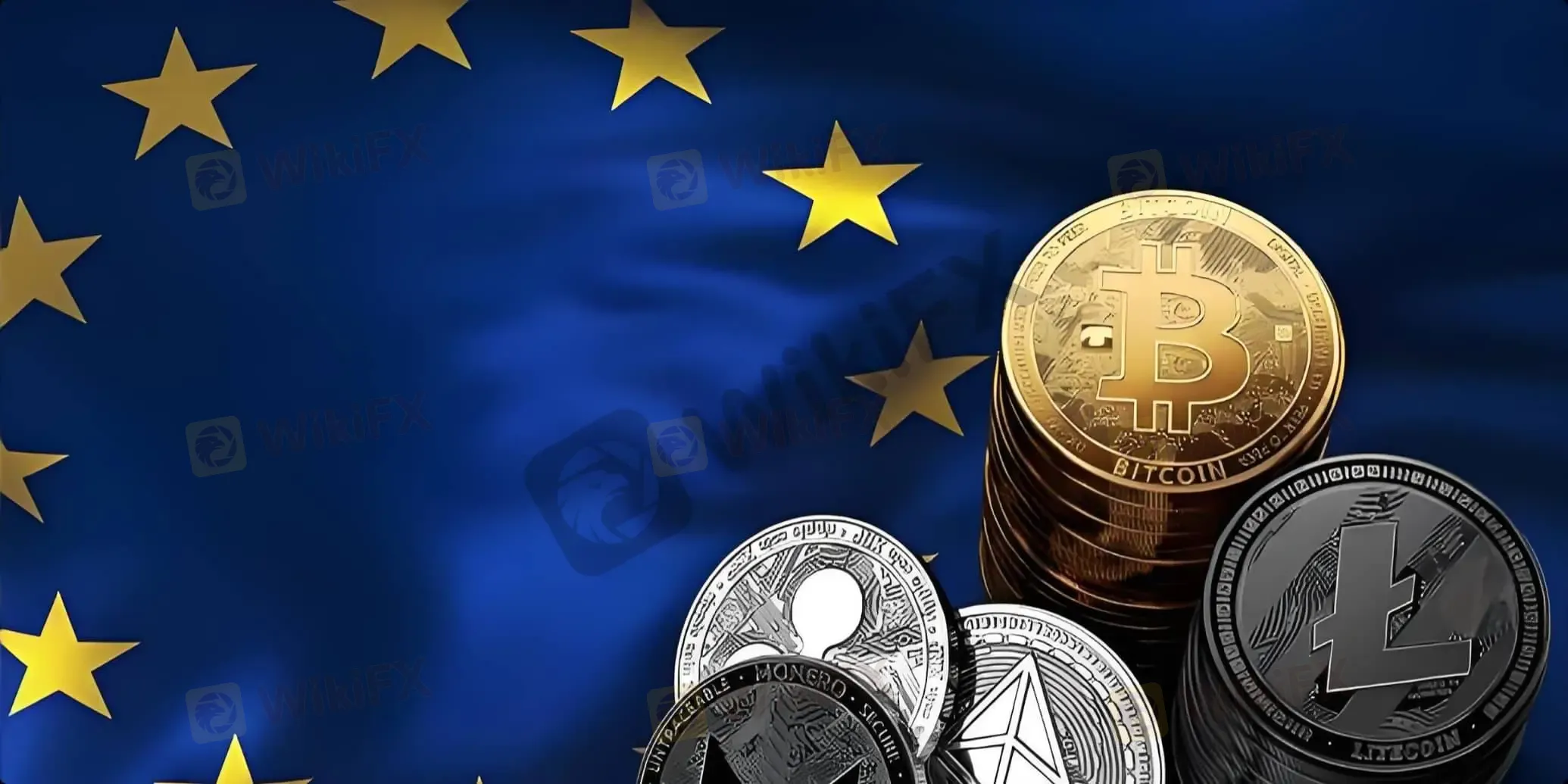
With the full implementation of the European Union‘s Markets in Crypto-Assets (MiCA) regulation, Europe’s crypto industry is entering a new stage of development. The race to secure regulatory licenses, which once defined market competition, has largely come to an end. The industry is now shifting into a new phase where long-term operational capability takes center stage. Going forward, companies will face not only regulatory requirements but also rising compliance costs, capital commitments, and operational pressures. As a result, competition is gradually evolving from a contest for licenses to a contest of overall strength.
As the regulatory framework becomes clearer, Europes crypto market is expected to see an increase in mergers, acquisitions, and strategic partnerships. Smaller platforms with limited compliance capabilities may choose to sell their businesses or seek support from larger institutions, while traditional banks and financial institutions with stronger capital resources and more mature risk management systems are actively expanding into digital assets, aiming to leverage their existing client base to create new growth opportunities.
The United Kingdoms regulatory direction further reinforces this trend. The Financial Conduct Authority (FCA) plans to bring crypto activities into the existing financial regulatory framework rather than establishing a separate regime specifically for crypto. This means crypto firms will be required to comply with capital, governance, and operational standards similar to those applied to banks and securities firms. For traditional financial institutions that have long operated under regulatory oversight, these requirements are already familiar, whereas many crypto companies will need to invest significantly more resources to strengthen internal governance, raising the overall barriers to entry.
Client asset protection is expected to become one of the most important regulatory priorities going forward. Under the UKs proposed framework, firms will not only be required to strictly segregate client assets from corporate funds, but also establish comprehensive systems for private key management, asset reconciliation, and risk controls. These measures are designed to strengthen investor protection, but they also require continuous investment in technology, risk management, and compliance. For smaller platforms, the higher operating costs may encourage partnerships with larger institutions or even lead to industry consolidation through acquisitions.
As regulatory frameworks become more transparent, banks are also showing greater interest in entering the digital asset market. At present, only a limited number of European banks offer crypto-related services, leaving significant room for future growth. The greatest significance of MiCA lies not only in creating a unified regulatory standard, but also in reducing the uncertainty financial institutions face when expanding into digital asset businesses. Switzerlands experience, where banks accelerated their digital asset strategies following improvements to the legal framework, provides a useful reference for the broader European market.
Looking ahead, banks and crypto firms are more likely to develop cooperative relationships rather than compete directly. Banks bring established customer networks, trusted brands, and mature compliance systems, while crypto companies offer expertise in custody, trading, staking, tokenization, and related technologies. As the industry continues to mature, cooperation between the two is expected to become increasingly common. At the same time, platforms that fail to obtain regulatory approval may gradually lose market share and client assets to regulated institutions, further increasing industry concentration.
From FXTRADING‘s perspective, the focus of Europe’s crypto industry has shifted from obtaining licenses to building long-term operational strength. Future competition will increasingly depend on companies capital strength, compliance capabilities, risk management standards, and ability to integrate resources. As regulation continues to evolve, industry consolidation is expected to accelerate, while collaboration between traditional financial institutions and crypto companies is likely to deepen, supporting the development of a more regulated, mature, and sustainable digital asset market across Europe.

(For more insights into global macroeconomic trends and market developments, please follow FXTRADINGs official updates. This information is provided for reference only and does not constitute any form of investment advice.)
ڈس کلیمر:
یہ مضمون صرف مصنف کی ذاتی رائے پر مبنی ہے، یہ پلیٹ فارم کی سرمایہ کاری کی مشورہ نہیں ہے۔ پلیٹ فارم مضمون کی معلومات کی درستگی، مکملیت اور بروقت ہونے کی کوئی ضمانت نہیں دیتا، اور مضمون کی معلومات پر اعتماد یا استعمال سے ہونے والے کسی بھی نقصان کی ذمہ داری قبول نہیں کرتا۔
