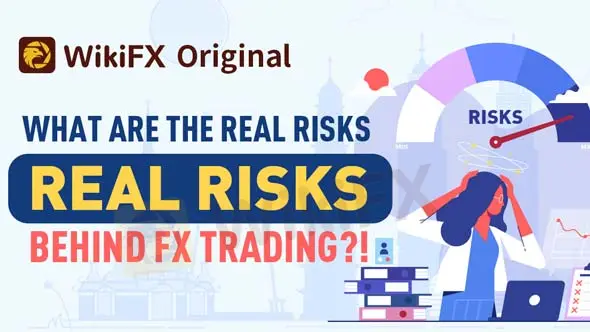
Abstract:The first rule of Forex trading, or any other type of trading for that matter, is to only risk money you can afford to lose. Many traders, particularly beginners, disregard this rule because they believe it "won't happen to them." However, there are numerous risks associated with forex trades because they are leveraged products that can result in significant losses
When you use debt to fund your trades, you engage in leveraged or marginal trading. Both of these activities significantly increase the risk you take and the likelihood that you will owe much more than you did initially.
The amount of capital you could lose in a single trade, as opposed to the risks mentioned previously, is referred to as trade risk. It is calculated by multiplying the position size by the pip value by the difference between your entry price and the price at which your stop-loss order takes effect.

While you can use leverage to fund your trades and be successful, the risks are so high that not using leverage is the best way to manage the risks involved.
The 1% rule is one of the most effective methods for reducing trade risk. If you have $10,000 in your account, the most you should risk on a trade is $100. If you have $20,000 in your account, you should not risk more than $200 per trade.
On the other hand, another type of risk that many traders often overlook is the risk of being caught in the trap of scam forex brokers. It is crucial to always do your due diligence before engaging with any forex broker. Nowadays, you only need a few seconds and a few clicks to start your research. It could be as simple and efficient as downloading the free WikiFX app from Google Play or App Store and then looking up that broker in question in our database. This straightforward and self-explanatory method could save you a lot of future trouble.

Disclaimer:
The views in this article only represent the author's personal views, and do not constitute investment advice on this platform. This platform does not guarantee the accuracy, completeness and timeliness of the information in the article, and will not be liable for any loss caused by the use of or reliance on the information in the article.