Abstract:A lot of traders today are driven by the curiosity to trade and make money that they forget to acquire the necessary knowledge before trading. This results to loosing their whole capital while trading.
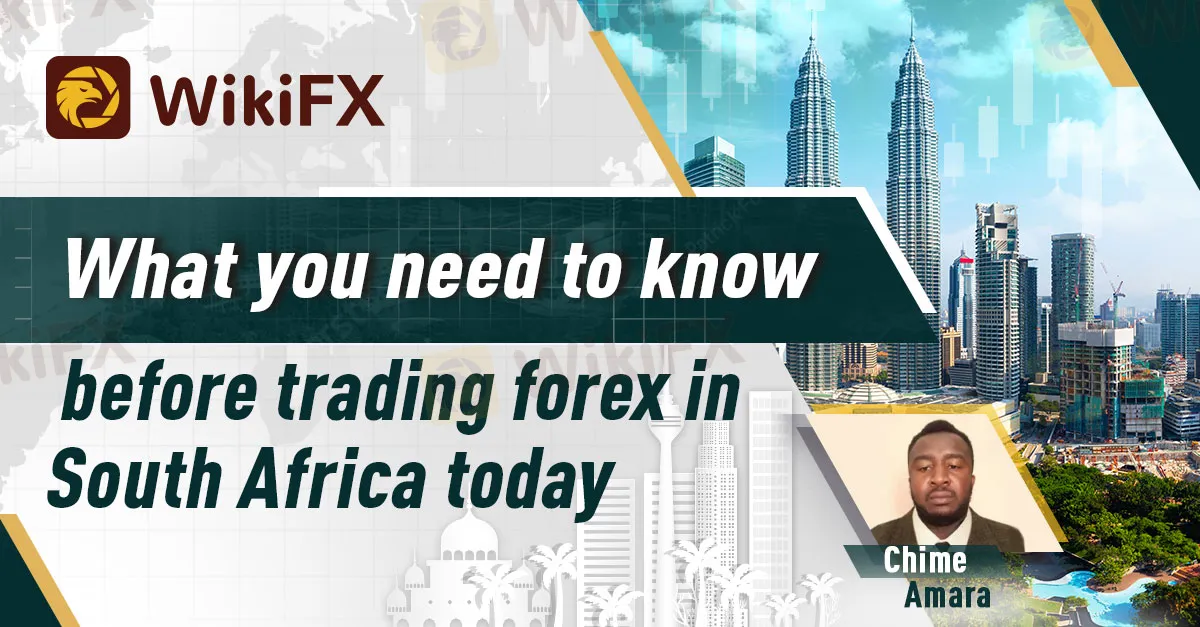
By: Chime Amara

Introduction
Forex trading is a legal business in South Africa which offers traders the opportunity to trade and benefit from the foreign exchange market. However a lot of traders today are driven by the curiosity to trade and make money that they forget to acquire the necessary knowledge before trading. This has always resulted in losing their money so quickly at the market pushing them back to the chart table to learn the basis before trading. This work will help you get acquainted with the basic things you should know before trading forex in South Africa today.
What you need to know before trading in South Africa today
There are several important points every forex trader needs to know before trading in South Africa today. We have discussed them below.
A. Major forex regulator in South Africa: The major forex regulator in South Africa today is the Financial Sector Conduct Authority (FSCA). Every broker operating in the country is expected to be registered with this body. All forex traders in South Africa are to verify that the broker they have selected for trading is registered with this body before proceeding to trade with such a broker. This only exception is when the broker is an offshore broker regulated by other regulatory authorities outside South Africa such as FCA, ASIC CYSEC FSA, etc.
B. Best brokers for trading: The best brokers for trading are usually those brokers with low spreads for trading on their platforms. Such broker must be registered with FSCA and any other external regulatory bodies too.
C How to trade: Traders must learn how to trade before proceeding to trade. Otherwise, the trader stands a chance of losing his whole investments.
D. Tax Payments: Forex trading is a legal business in South Africa today. All the gains made from forex trading in South Africa are considered capital gains. Hence, every forex trader in South Africa is required to report their gains from forex trading to the tax authorities for proper tax payments.

Disclaimer:
The views in this article only represent the author's personal views, and do not constitute investment advice on this platform. This platform does not guarantee the accuracy, completeness and timeliness of the information in the article, and will not be liable for any loss caused by the use of or reliance on the information in the article.