Abstract:This article covers recent regulatory changes in CFD trading, such as leverage restrictions, negative balance protection, enhanced disclosure requirements, and restrictions on promotional activities.
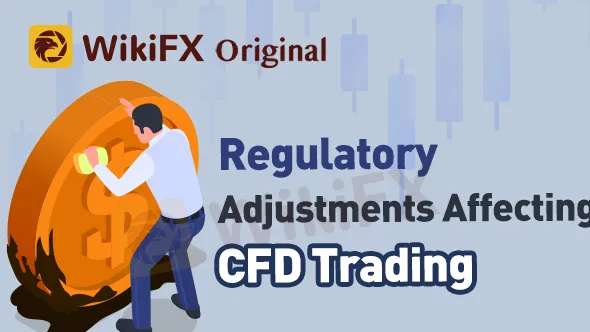
In recent years, CFD (Contract for Difference) trading has gained immense popularity among traders due to its flexibility and potential for high returns. However, the regulatory landscape governing CFD trading is continuously evolving. This article aims to provide readers with a comprehensive understanding of the recent regulatory developments that impact CFD trading and equip them with vital information to navigate the changing environment successfully.
Before exploring the regulatory adjustments, it is essential to grasp the fundamental concepts of CFD trading. By trading CFDs, which are derivative products, traders can speculate on the price fluctuations of various financial instruments like stocks, commodities, indices, and currencies without owning the underlying assets.
One of the significant reforms made by regulatory bodies is the imposition of leverage restrictions. Previously, traders had access to substantial leverage ratios, which allowed for potentially higher gains and exposed them to significant losses. The new regulations aim to protect traders by regulating leverage and requiring traders to have adequate capital and experience before accessing higher leverage ratios.
To safeguard traders from excessive losses, regulatory authorities have mandated the implementation of negative balance protection. This ensures traders cannot lose more money than their initial investment, even in highly volatile markets.
Furthermore, regulatory developments have emphasized the importance of transparent and comprehensive disclosure regarding the risks associated with CFD trading. Brokers are now obligated to disclose all relevant risks, including the likelihood of clients incurring losses when trading CFDs.
In an effort to prevent misleading promotions that may entice inexperienced traders, certain regulators have imposed restrictions on the marketing and promotional activities of CFD providers.
Overall, these regulatory changes reflect a concerted effort by global regulatory organizations to strengthen monitoring and protect consumers engaging in CFD trading. The regulatory landscape aims to create a safer trading environment for CFD traders by reducing the risks associated with high leverage and promoting transparency.
Establishing an appropriate equilibrium in the realm of CFD trading regulations presents a formidable challenge, as it requires prioritizing investor protection, promoting transparent and equitable trading practices, and facilitating effective risk management, all while preserving traders' freedom to choose their desired level of risk.
Attaining this delicate balance is instrumental in cultivating a robust and sustainable CFD trading ecosystem, empowering traders to make well-informed decisions while mitigating potential financial harm. By implementing a meticulously crafted regulatory framework, authorities can foster an environment that encourages responsible trading and instils investor confidence in the CFD market.
Hence, attaining a nuanced equilibrium in CFD trading regulations is paramount for fostering a secure and transparent trading environment.

WikiFX is a valuable resource for traders seeking information and insights regarding regulatory changes. As regulations surrounding the financial markets, including CFD trading, are continuously evolving, it becomes crucial for traders to stay updated and well-informed. WikiFX is a comprehensive platform offering reliable and up-to-date information about regulated brokers, their compliance status, and user reviews. This enables traders to assess the regulatory compliance of brokers and make informed decisions while navigating the dynamic regulatory landscape. With its user-friendly interface and extensive database, WikiFX empowers traders by providing a centralized hub of information that simplifies the process of understanding and adapting to regulatory changes. By leveraging WikiFX as a trusted resource, traders can confidently navigate the complexities of regulatory adjustments, ensuring compliance and mitigating potential risks.