Abstract:This article discusses the importance of mastering forex trading vocabulary for clear communication and informed decision-making. It covers key terms including currency pair, exchange rate, bid/ask price, pips, leverage, and stop loss. A robust understanding of these terms is essential for interpreting market trends, managing risk effectively, and executing successful trading strategies.
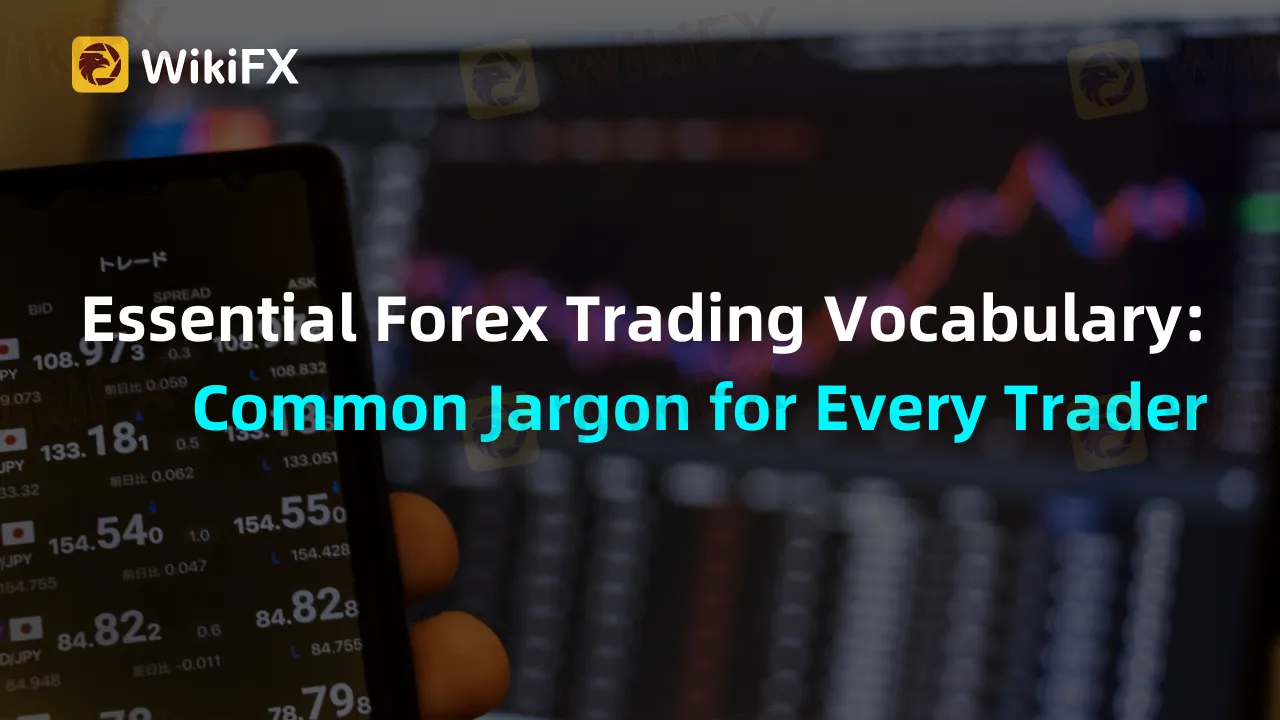
In the ever-fluctuating realm of forex trading, it's crucial to understand the key terms and jargon to make informed decisions and successfully navigate the market. This unique language of forex trading allows traders to clearly comprehend market dynamics and communicate effectively.
Moreover, being familiar with forex trading terminology helps traders stay abreast of market trends, manage risk proficiently, and analyze various trading strategies. It doesn't matter whether you're a rookie or a seasoned trader; a comprehensive understanding of forex trading terminology is fundamental to your success.
Significance of Forex Trading Vocabulary
Forex trading vocabulary plays a pivotal role in ensuring clear understanding and communication among traders across the globe. This common language allows traders to effectively express their strategies, positions, and market analysis.

The right use of trading vocabulary allows traders to exchange ideas, seek advice, and collaborate within the forex community effectively.
Understanding key terms such as forex transaction, trading forex, market price, forex brokers, stock market, counter currency, forex trade, trading account, and particular currency is critical, whether you're discussing market trends, examining forex transactions, or investigating different trading strategies.
Being familiar with these terms equips traders to confidently navigate the dynamic world of forex trading, from selecting the right forex brokers and establishing a trading account to successfully conducting forex trades and understanding the complexities of the stock market.
Hence, whether you're an amateur planning to start trading forex or a veteran trader refining your strategies, mastering the popular jargon of the forex market is a crucial step toward success.
Historical Context and Evolution of Forex Trading Vocabulary
Forex trading vocabulary traces its roots to the early days of foreign exchange trading. As the forex market evolved and gained prominence, the need for a standard set of terms became evident. Over time, traders, industry professionals, and institutions collectively coined and established the widely used terminology we know today.

New terms and jargon continue to emerge as the forex market evolves, capturing the subtleties of market dynamics, technological progress, and trading strategies. Staying updated with the evolving terminology is vital for traders to stay informed and adapt to the dynamic forex market.
Moreover, understanding forex trading vocabulary is crucial for staying up-to-date with market news, analysis, and educational resources. These terms are extensively used in financial publications, trading platforms, and educational materials to convey information to traders.
A solid understanding of these terms allows traders to navigate these resources effortlessly, extract valuable insights, and make informed trading decisions.
Essential Forex Trading Terms and Jargon
Currency Pair
A currency pair refers to two currencies traded against each other in the forex market. It indicates the exchange rate between the two currencies, expressed as a ratio. For instance, EUR/USD denotes the exchange rate between the Euro and the US Dollar.

Exchange Rate
The exchange rate defines the value at which one currency can be swapped for another. The forex market's supply and demand forces determine it, and it fluctuates continuously due to factors like economic indicators, geopolitical events, and market sentiment.

Base Currency and Quote Currency
In a currency pair, the base currency is the first listed, and the quote currency is the second. The base currency acts as the unit of measurement, while the quote currency denotes the base currency's value in relation to itself. For instance, in the EUR/USD pair, the Euro is the base currency, and the US Dollar is the quote currency.

Long Position (Buy) and Short Position (Sell)
A long position implies buying a currency pair expecting its value to rise, aiming to profit from an increase in the exchange rate. Conversely, a short position involves selling a currency pair anticipating a value decline. Traders can profit from a decrease in the exchange rate.

Bid Price and Ask Price
The bid price is the maximum price that buyers are prepared to pay for a currency pair, representing the market price for selling the base currency. Conversely, the asking price is the minimum price at which sellers are willing to part with the currency pair, signifying the market price for buying the base currency.

Spread
The spread is the difference between the bid and ask prices of a currency pair. It signifies the transaction cost for traders, typically measured in pips. A narrower spread indicates high liquidity and lower trading costs, while wider spreads usually occur during periods of volatility or low liquidity.

Pips
Pips are the smallest unit of measurement in forex trading. They denote a currency pair's price movement and are used to calculate profits and losses. A move from 1.2500 to 1.2501 represents a one-pip change.

Lot Sizes
Forex trades happen in standardized lot sizes. A standard lot equals 100,000 units of the base currency, mini lots represent 10,000 units, and micro-lots signify 1,000 units. Lot size determines the trade volume and affects potential profit or loss.

Leverage
Leverage permits traders to control larger market positions with a smaller investment. Expressed as a ratio, leverage can amplify potential profits but also magnify potential losses, making judicious use and risk management imperative.

Margin
Margin is the collateral required to open and maintain a leveraged position in the forex market. It's a fraction of the total trade value that traders must deposit with their broker. It allows for larger market exposure but also carries the risk of potential losses exceeding the deposited margin.

Stop Loss
A stop-loss order is a risk management tool enabling traders to set a predetermined price at which their position will automatically close, limiting potential losses if the market moves unfavorably.

Take Profit
A take-profit order lets traders set a predetermined price at which their position automatically closes to secure profits.

Margin Call
A margin call happens when a trader's account equity falls below the required margin level, necessitating additional fund deposits to maintain open positions.

Gapping
Gapping occurs when an opening price significantly differs from the previous closing price, with no trading activity in between. It can affect order execution and fill prices, leading to slippage or unexpected outcomes.

Concluding Thoughts
In conclusion, mastering forex trading terminology is vital to becoming a successful trader. Understanding terms like currency pairs, exchange rates, bid/ask prices, pips, leverage, and risk management tools, traders can confidently navigate the market and make informed trading decisions.
A robust understanding of forex terminology lets traders accurately interpret market information, communicate effectively with other market participants, and fully utilize trading platforms. Moreover, it enables them to implement effective strategies, efficiently manage their trades, and effectively mitigate risks.
Continual learning and staying updated with the evolving forex market are crucial to expanding one's knowledge of forex trading terminology. By investing time and effort to learn and master forex trading terminology, traders equip themselves for greater success and growth.
In the fast-paced and potentially rewarding forex market, knowledge is power and a strong foundation in forex trading terminology is the key to unlocking your full potential as a trader.
Frequently Asked Questions
Why Is Forex Trading Terminology Important?
Knowing forex trading terminology is essential for clear communication, understanding market analysis, and making informed trading decisions.
Who Developed Forex Trading Terminology?
Forex trading terminology was collectively developed by industry professionals, traders, and institutions to establish standardized terms for effective communication in the forex market.
How Does Understanding Forex Trading Terminology Benefit Traders?
Understanding forex trading terminology helps traders stay informed with market news, analysis, and educational resources. It enhances their ability to understand market insights, navigate trading platforms, and make informed trading decisions based on accurate information.
Is Learning Forex Trading Terminology Difficult?
While learning forex trading terminology may seem challenging initially, with dedication and regular practice, one can master these terms. Using resources like trading glossaries, webinars, and online courses, and engaging with the trading community can help accelerate the learning process.
Can Understand Forex Trading Terminology Enhance Trading Success?
Yes, understanding forex trading terminology can significantly enhance trading success. It equips traders with the necessary knowledge to interpret market trends, execute trades efficiently, communicate effectively with other traders, and utilize trading platforms optimally.
Conclusion
Mastering the language of forex trading is a vital component of your journey toward trading success. Forex trading terminology not only serves as a medium of communication but also empowers traders to analyze market trends, manage risk effectively, and execute successful trading strategies.
The ongoing development and evolution of these terms reflect the dynamic nature of the forex market. As such, continual learning and staying abreast of emerging terminology is critical for traders to remain informed and adaptable.
Understanding forex trading terminology is akin to unlocking a gateway to the exciting world of forex trading. So, embrace the learning journey, delve deep into these essential terms, and arm yourself with the necessary knowledge to navigate the dynamic and potentially rewarding world of forex trading. Remember, a strong foundation in forex trading terminology is a key step toward your success as a forex trader.
Download and install the WikiFX App on your smartphone to stay updated on the latest news.
Download the App here: https://social1.onelink.me/QgET/px2b7i8n