Abstract:CySEC's battle against investment scams sees a surge in impersonators and fake websites. Explore the depth of these scams and the role of social media in this revelation.
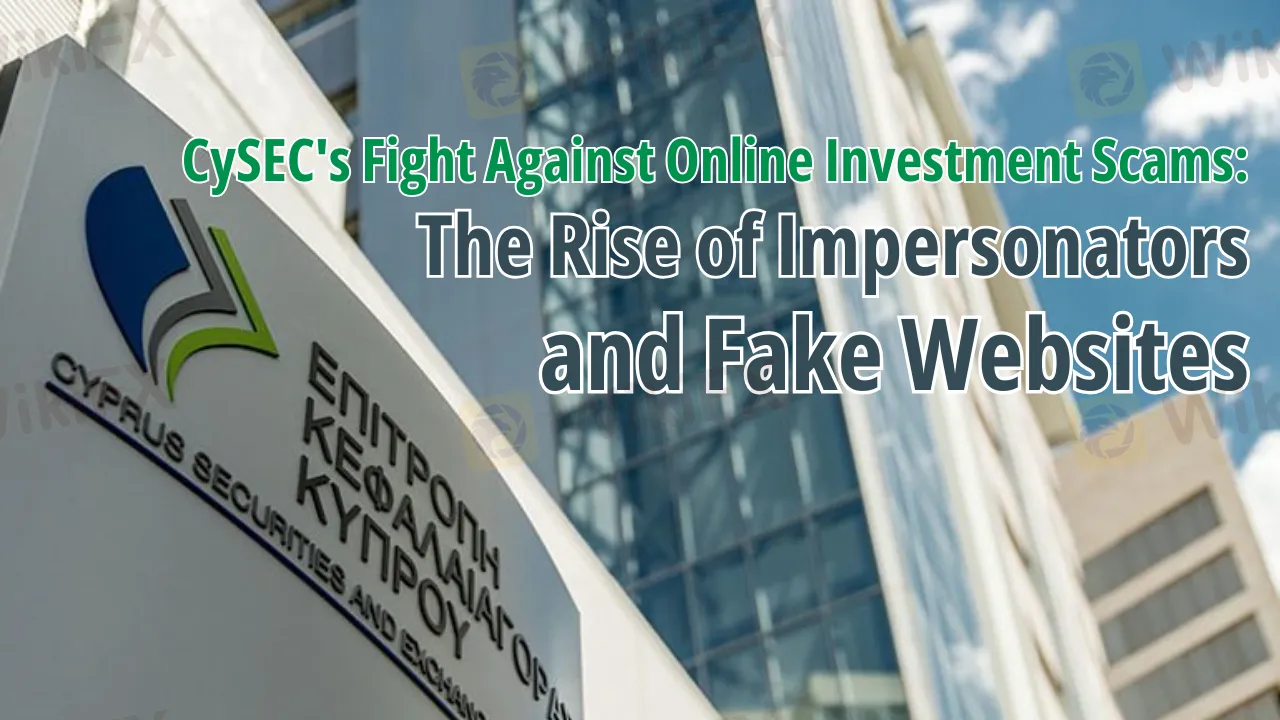
The digital age has presented us with countless opportunities, but with it, comes an equal measure of threats. A key issue that has gained prominence in recent times is the rise of investment scams through impersonation and fake websites. At the forefront of battling this menace is the Cyprus Securities and Exchange Commission (CySEC).
 Contents
Understanding the Scam: Impersonators & Fake Domains
CySEC, in its recent announcements, warns investors about fraudsters who masquerade as CySEC officers, misleadingly promising to settle compensation claims related to firms the regulator supervises. For a fee, of course.
Additionally, the impersonation doesn't end with individuals. CySEC has detected fake websites designed to mimic its official domain. These websites, with URLs such as cysec-regulatory.com and www.cysecgov.com, expertly mirror CySECs official imagery and content.
Decoding the Impersonation Menace

It's important to understand the depth of the deceit. For instance, another sham website, Cysecs.group, not only replicates CySEC but also provides counterfeit lists of approved investment firms in Cyprus. Such websites invariably have links connected to unauthorized or downright fraudulent brokers.
CySEC has clearly stated that it never solicits individuals via phone or sends unsolicited correspondence. Moreover, it doesnt have the authority to collect any fees from investors. The public, thus, must be wary of unsolicited communications from individuals or entities claiming association with CySEC.
The Role of Social Media in Amplifying the Threat
As we delve deeper into the issue, the role of social media platforms in proliferating scams becomes evident. Platforms such as Telegram are increasingly being used by scammers to pose as financial institutions, often promising attractive trading signals.
While CySEC doesnt directly combat financial service scams on social media, it employs advanced tools to monitor such fraudulent activities. On spotting a fake website or illicit activity, they promptly alert the concerned law enforcement agencies.
Interestingly, a recent survey by CySEC highlighted the increasing dependency on social media for financial advice. A whopping 31% of participants admitted to trusting financial influencers for investment decisions, and another 22% said they were influenced by celebrity endorsements and online promotions.
Stay Vigilant, Stay Safe
In conclusion, while regulators like CySEC are doing their part, the onus falls upon us, the investors, to remain vigilant. As the digital world grows more intricate, staying educated and cautious is our best defense against falling prey to such scams.
For continuous updates on such crucial information, consider installing the WikiFX App, available for download here: https://www.wikifx.com/en/download.html.