Abstract:A broker's license is your financial shield, but when it gets revoked, you're left exposed - here's what you need to know to survive.
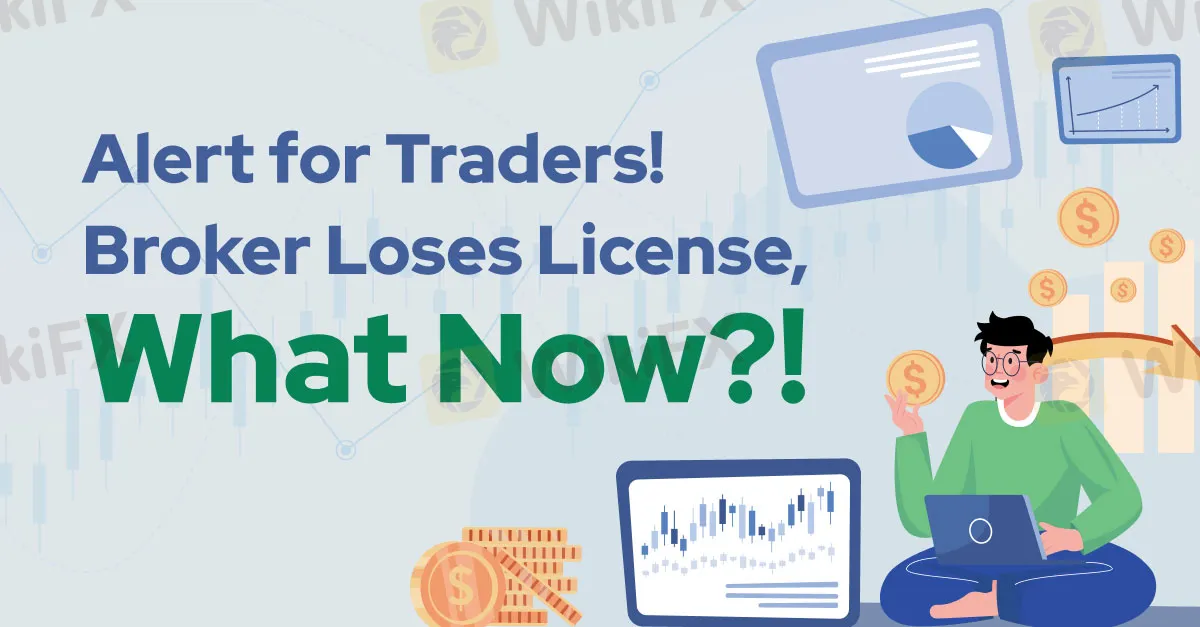
In the world of financial trading, the significance of a broker's license cannot be overstated. It serves as a stamp of credibility, a testament to the broker's adherence to stringent regulations and ethical standards. However, the unsettling reality is that some brokers face the revocation of their licenses. But what does this signify, and what implications does it hold for traders?
A broker's license is a legal authorization granted by regulatory bodies to operate within the financial markets. It's a mark of assurance for traders that the broker complies with the rules and standards set by the regulatory authority.

When a broker loses their license, it is often due to severe reasons. These reasons could include regulatory violations such as misconduct, which involves engaging in fraudulent activities, market manipulation, or deceptive practices. Non-compliance with regulatory guidelines, like improper record-keeping or inadequate risk management, could also lead to license revocation. Additionally, misusing clients' funds for personal or unauthorized purposes is another serious violation that can result in losing the license. Financial instability is another key reason for license revocation. If a broker fails to maintain the required capital reserves or faces insolvency, it could risk clients' funds and the broker's operations, leading to the withdrawal of their license.
The implications for traders when a broker loses its license are significant. There's a risk of funds being compromised or lost. Traders might face challenges in retrieving their funds held by the broker. Depending on the regulatory jurisdiction, there might be insurance coverage for traders' funds up to a certain limit, but this is not guaranteed.
Moreover, trading operations could be severely affected. Trading accounts might be frozen or become inaccessible, causing disruption in ongoing trades. Traders might need to transfer their accounts to another licensed broker, leading to delays and additional paperwork.

In such a scenario, the role of platforms like WikiFX becomes crucial. WikiFX is a leading regulatory query platform that informs and safeguards traders. Its functions include comprehensive broker verification, providing information about license status, regulatory history, and compliance records. Additionally, WikiFX alerts traders about any reported regulatory actions or alerts related to brokers


Educating and raising awareness among traders is also an essential part of WikiFX's role. It offers educational resources about the importance of choosing regulated brokers and empowers traders with knowledge to recognize and avoid potential scams or unlicensed brokers.
For traders, conducting thorough research and due diligence is vital. Verifying the broker's license and regulatory history through WikiFX, reading reviews from other traders about their experiences, and diversifying investments across multiple licensed brokers can mitigate risks.
In essence, a revoked license signifies a breach of trust and regulatory compliance, prompting traders to re-evaluate their broker choices and take proactive steps to protect their interests. Through education, awareness, and the assistance of WikiFX, traders can navigate the intricate world of financial trading with greater confidence and security.