Abstract:Bureaus de change are permitted to publish naira rates in public. A move to harmonize rates is observed to be enhancing price discovery.
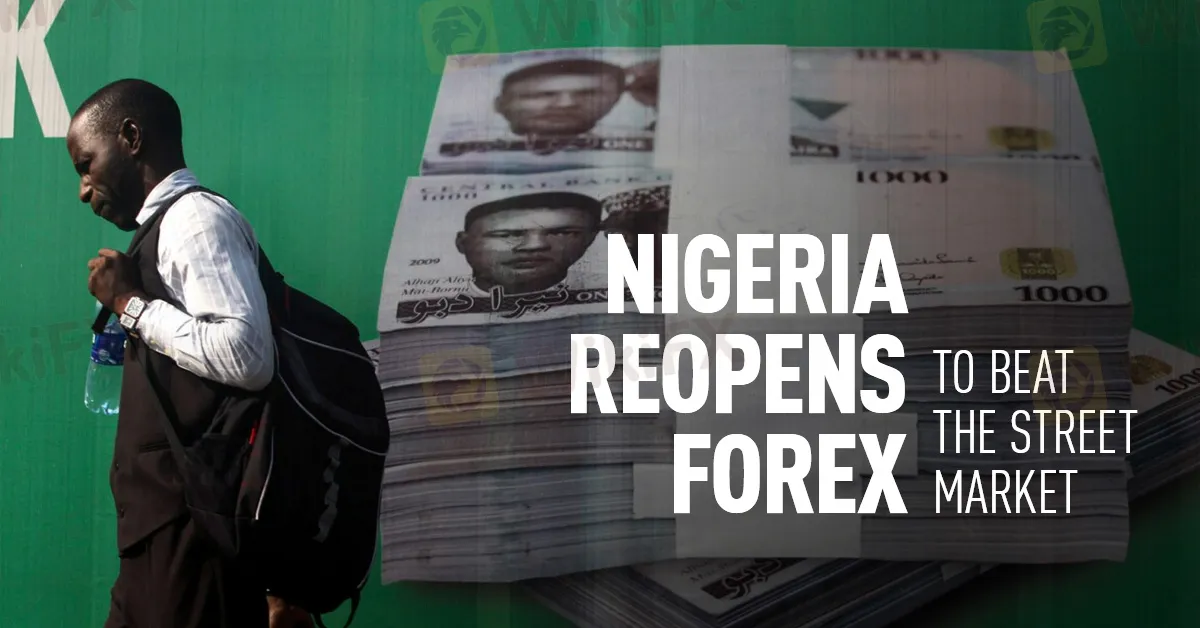
· Bureaus de change are permitted to publish naira rates in public.
· A move to harmonize rates is observed to be enhancing price discovery.
Nigeria's most recent move to close the gap between the official and unofficial rates of its naira currency is to reintroduce FX trading to the public.
The Association of Bureaux de Change Operators of Nigeria has been authorized by the nation's watchdog on financial crimes to openly publish the naira's purchasing and selling rates against the US dollar on the internet.
The group's president, Aminu Gwadabe, stated that the action is “to enhance competitiveness and price discovery in the market and challenge the parallel market.”
In an attempt to support the official naira, the previous central bank leadership had controlled bureaux de change and limited the visibility of the unofficial market. This move has reversed those actions. That action merely forced activity into the shadows and onto the street.
As part of to unite the two markets and abandon a regulated exchange rate, the most populous country in Africa has made the naira rates widely available online.
Unsettling Journey
Weeks after newly elected President Bola Tinubu took office in late May, the nation's long-standing currency system began to be eased in an effort to draw in international investment. But so far, it's been rocky.
Since the reforms were announced in June, the naira has lost roughly half of its value versus the dollar, and the local currency scarcity has caused the disparity between the two markets, which briefly converged, to expand.
Naira depreciates against the dollar in parallel markets, driven by a surge in demand for US dollars.
Many currency dealers work on the streets, and the Economic and Financial Crimes Commission has targeted them, accusing them of money laundering and manipulation.
In September, the central bank also issued a warning to foreign exchange dealers: cease betting against the naira or risk penalties.
Greater Issue
They are but a small portion of a larger issue.
Large-scale dollar seekers, such as foreign businesses that must repatriate naira earnings, obtain US dollars at the official exchange rate from the central bank.
The central bank is working to alleviate demand caused by the official market, but there is still a long way to go. On January 17, Bloomberg Television heard Finance Minister Wale Edun estimate the backlog to be around $5 billion.
The naira pressure these measures. On Tuesday, it was valued at a record low of 1,365 naira per dollar on the illegal market, which was more than 30% more than the official rate.
Furthermore, it's unclear if the prices that will publish will be those that street dealers—who are also licensed operators—have already compiled.
Forex bureaus can trade in the currency was regulated by the central bank in September at a range of plus or minus 2.5% of the official market-weighted average from the day before.
It accused the operators of distorting the prices and suspended both the bureaux de change's own online portal and another that published rates from the parallel market in 2021.
According to Gwadabe, the bureaux will now be “upscaling” in order to challenge the other platforms in the economy.