Abstract:If you have been scammed before, you may be vulnerable to refund or recovery scams. These schemes promise to help you recover lost funds or the item you never received, but only after you pay an upfront fee. Beware of this scenario as this is a new deceptive scam lurking in the dark!
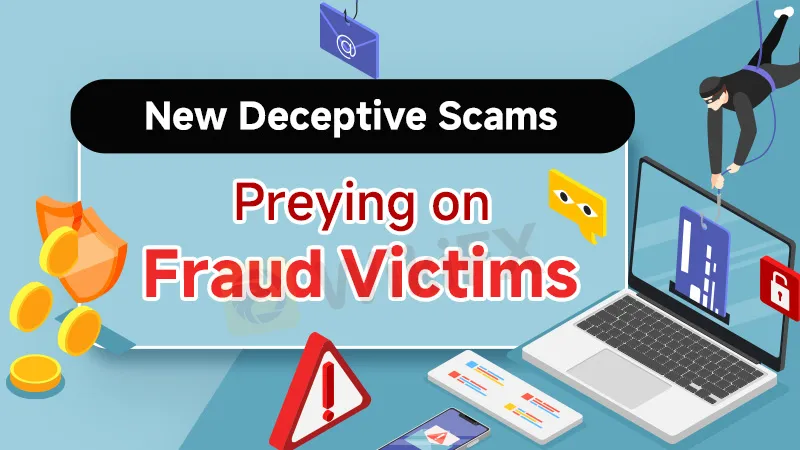
Among the most insidious frauds are those targeting individuals who have already been deceived. If you have been scammed before, you may be vulnerable to refund or recovery scams. These schemes promise to help you recover lost funds or the item you never received, but only after you pay an upfront fee. Sadly, this often results in further financial loss.

These scams, whether they promise a refund or the recovery of a prize or product, typically follow a predictable pattern.
Initially, you may have fallen prey to a scam, such as a timeshare resale fraud, a fake prize, or another deceptive scheme. Scammers acquire “sucker lists,” containing detailed information about victims, including names, addresses, phone numbers, details of the scam experienced, and the amount of money lost. These lists are traded among scammers, targeting previous victims as they are seen as easier marks.
The scammer contacts you again via phone, email, text, social media, or mail, claiming they can recover your lost money or item. Even if you were unaware you had been scammed, they fabricate a convincing story using the details they have. To gain your trust, scammers may pose as government agencies, consumer advocacy groups, law firms, or even the fraudulent company itself, claiming to offer refunds. They might assert they are holding money for you, offer to file complaints on your behalf, or promise to prioritize your reimbursement. These claims are all designed to deceive you into trusting them.
Before they can “recover” your money or item, they demand an upfront payment or personal and financial information. They might label this as a “retainer fee,” “processing fee,” “administrative charge,” or “tax,” or request your social security number or bank details to deposit a refund. Complying with these demands results in further financial loss and potential identity theft.

If someone contacts you unexpectedly and asks for an upfront fee, it‘s a scam. No matter how they reach out—by mail, online, phone, social media, or text—do not pay upfront. It’s always a scam. Scammers may claim to be from a government agency, a nonprofit group, or another organization and request payment or personal information. Legitimate agencies will never ask for money to help you get a refund or require your financial account details. They also won‘t guarantee you’ll get your money back.
Do not trust unsolicited calls, letters, emails, texts, or social media messages from someone claiming they can recover money you lost for a fee. This will only lead to further loss. Never pay upfront for a refund or help with a refund. Avoid giving out personal information such as your social security number or financial details to obtain a refund. Anyone requesting this is a scammer.
Only scammers insist on payments via cash, gift cards, cryptocurrency, wire transfers through services like Western Union or MoneyGram, or payment apps. Anyone demanding these forms of payment is a scammer. Do not deposit a check for more money than you lost. Scammers may claim an error and ask you to return the balance. This is always a scam. Banks can take weeks to detect a fake check, and youll be responsible for the money once the scam is discovered.
Research any organizations or government agencies that contact you. Search online for their name with terms like “complaint,” “scam,” or “review.” Check with your state attorney general to see if others have reported them. For government agencies, find their contact number independently and call to verify they contacted you. Never use the number provided by the scammer or from caller ID.

Scammers prefer payment methods that allow them to access your money quickly and make it hard to retrieve. If youve paid a scammer, acting swiftly is crucial.
First, contact your bank or credit card company to report the scam and request a stop payment or chargeback. Filing a fraud report with the authorities and police is another critical step. Monitor your accounts closely, keeping a watchful eye on bank and credit card statements for any unauthorized transactions. Finally, update your online banking and email passwords to prevent further unauthorized access.

In addition, platforms like WikiFX can play a crucial role in handling disputes between trading clients and their online trading brokers. WikiFX, a global regulatory query platform, acts as a mediator at no charge. This service helps clients resolve disputes without incurring additional costs, providing an invaluable resource for those seeking justice after a scam. Though WikiFX does not guarantee any positive outcome for these cases, they strive to do their best in resolving the dispute without charging a penny. Thus, there is no harm in seeking assistance from the trained WikiFX support team.

By staying vigilant and informed, you can protect yourself from falling victim to these deceitful refund and recovery scams.