Abstract:A new scam is spreading on X, where hackers hijack celebrity accounts to promote fake meme coins, manipulate markets, and leave investors with heavy losses.
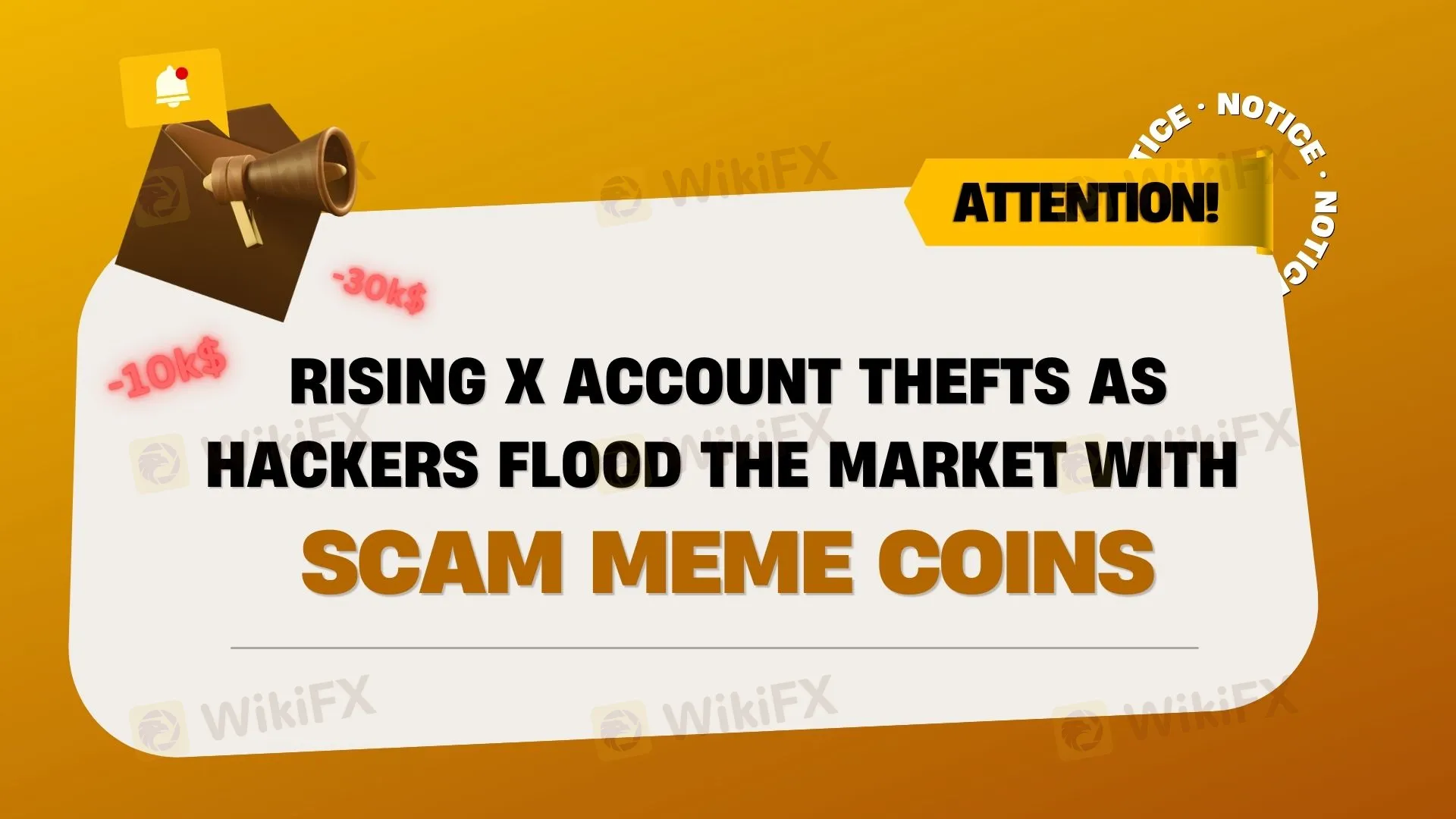
Recently, an increasing number of celebrity X (formerly Twitter) accounts have been hacked and used to promote unauthorized meme coins. These scams exploit the social influence of public figures by posting deceptive promotional videos, misleading tweets, and even using verified account markers to make fake tokens appear legitimate. Hackers create short-term hype through social media, artificially inflating meme coin prices before dumping their holdings, causing the price to crash and leaving investors with heavy losses. This trend has intensified following former President Donald Trumps meme coin launch, with hackers aggressively targeting celebrity accounts to deploy meme coins on Solana and other blockchains, fueling speculative investment frenzies.
 Contents
Tanzanian Billionaire Mohammed Dewjis X Account Hacked
Hackers first gained unauthorized access to the X account of Tanzanian billionaire Mohammed Dewji and immediately began using it to promote a meme coin called $Tanzania, launched on the Solana blockchain. Dewji, the CEO of METL Group and the owner of a professional football team in Dar es Salaam, has over 2.2 million followers on X. Capitalizing on his influence, the hackers posted multiple tweets from his account, encouraging users to buy the token and providing purchase instructions.

However, these tweets were quickly deleted, suggesting that X or Dewji‘s team intervened upon detecting suspicious activity. But the hackers escalated their efforts by uploading a fabricated video through Dewji’s account. The footage showed him sitting in his home office, holding a piece of paper with “$Tanzania” handwritten on it, attempting to convince followers that he was personally endorsing the token. The video quickly gained traction, leading many investors to believe it was an official launch, prompting a buying frenzy.
Just hours later, the price of $Tanzania collapsed, resulting in significant losses for investors.
Kanye West Rejects $2M Meme Coin Scam Offer
In some cases, hackers attempt to directly bribe celebrities into promoting their scams. Recently, rapper Kanye West revealed on X that someone offered him $2 million to promote a meme coin on social media.

According to the chat records Kanye shared, the deal required him to first tweet about the token, then claim his account had been hacked eight hours later, and finally post another tweet sixteen hours later denying any affiliation with the coin. In return, he would receive a total of $2 million. The orchestrators claimed this “collaboration” could generate tens of millions in profits for them. Kanye outright rejected the offer and reiterated his disinterest in cryptocurrency.
How Can Investors Avoid Meme Coin Scams?
To counter the growing threat of these scams, investors must exercise caution and avoid falling victim to meme coin hype on social media. Key protective measures include:
1.Verify Information Sources – Always check whether a celebrity-endorsed token is officially verified through their website, X statements, or reputable blockchain data platforms.
2. Beware of “FOMO” Psychology – Hackers manipulate investor fear of missing out (FOMO) to drive impulsive token purchases.
3.Avoid Clicking Suspicious Links – Social media is filled with phishing sites; investors should avoid unverified links, especially those promising quick profits.
4.Use Reputable Exchanges – Trade only through regulated cryptocurrency exchanges and avoid third-party links recommended on social media.
5.Monitor Unusual Trading Activity – Use on-chain analysis tools to track wallet addresses, check token contracts for security, and be wary of meme coins with abnormal transaction volumes.