Abstract:In the world of online trading, the promise of quick profits and seamless transactions often masks a darker reality. One of the most insidious tactics employed by fraudulent brokers is blocking withdrawals, that is a deliberate strategy designed to trap traders and investors into paying more money under false pretences.
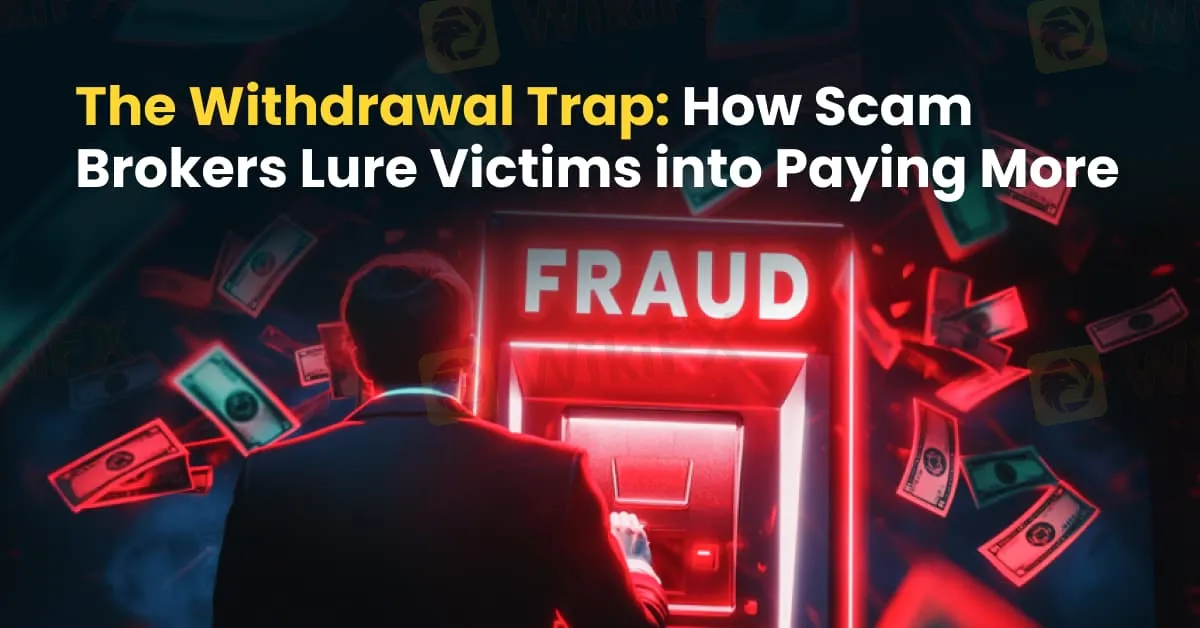
In the world of online trading, the promise of quick profits and seamless transactions often masks a darker reality. One of the most insidious tactics employed by fraudulent brokers is blocking withdrawals, that is a deliberate strategy designed to trap traders and investors into paying more money under false pretences.
The Classic Scam: Denied Withdrawals & Demands for More Payments
A common complaint among victims of scam brokers is that they initially experience smooth deposits and even see profits accumulating in their trading accounts. However, the real ordeal begins when they attempt to withdraw their funds. Suddenly, the broker introduces unexpected barriers: verification delays, excessive documentation requests, or outright refusals without justification.
At this stage, many fraudsters escalate their deception. They claim that the trader must pay additional fees, taxes, or commissions before the withdrawal can be processed. Some even demand an increased trading volume or the deposit of a larger sum to “unlock” the funds. Victims, desperate to retrieve their money, often comply—only to realise that the promised withdrawal never materialises. Instead, they find themselves caught in an endless cycle of demands, with no real prospect of recovering their capital.

The psychology behind this scheme is straightforward but highly effective. Having already invested a significant amount of money, traders are reluctant to accept their losses and walk away. Scam brokers exploit this emotional vulnerability, convincing victims that they are just one step away from regaining access to their funds. The fear of losing everything prompts many to comply with additional requests, leading to further financial losses.
Moreover, fraudulent brokers often employ persuasive representatives who provide seemingly legitimate explanations for the delays. By using sophisticated language, fabricated legal jargon, and even falsified regulatory claims, they create an illusion of legitimacy. Traders who fail to conduct independent research may easily fall for these tactics, believing that compliance will eventually lead to a successful withdrawal.
To safeguard against such scams, traders and investors must adopt a proactive approach.

First, it is essential to verify a brokers credentials before committing any funds. Reputable financial authorities such as the Financial Conduct Authority (FCA) in the UK, the Securities and Exchange Commission (SEC) in the US, and the Australian Securities and Investments Commission (ASIC) regulate legitimate brokers. Traders should always confirm that their chosen platform is properly licensed and compliant with industry regulations, as unregulated brokers are far more likely to engage in fraudulent activities.
Secondly, traders should be wary of unrealistic promises. Any broker that guarantees high returns with minimal risk should be approached with extreme caution. Legitimate trading involves inherent risks, and no credible financial institution can promise guaranteed profits. Scammers often lure victims with exaggerated claims, making it crucial to critically evaluate any investment opportunity before proceeding.
Another important safeguard is reading the terms and conditions carefully. Many scam brokers conceal withdrawal restrictions in the fine print, trapping traders with unexpected limitations. Before making any deposits, investors should thoroughly review the platforms withdrawal policies to ensure transparency and fairness.
Additionally, traders must resist the temptation to make additional payments when faced with withdrawal roadblocks. If a broker demands extra fees, taxes, or further deposits before releasing funds, this should be treated as a major red flag. Legitimate brokers do not impose arbitrary financial barriers on withdrawals, and compliance with such demands often leads to further financial loss.
Lastly, investors should trust independent research over the words of broker representatives. Scam brokers employ smooth-talking agents who use persuasive techniques to mislead traders into believing their claims. Instead of taking their words at face value, traders should cross-check information with reliable external sources such as regulatory websites, financial news platforms, and independent reviews. One easy way to do this is by downloading the free WikiFX mobile application through Google Play or App Store.

WikiFX offers an extensive database of global broker profiles, regulatory status updates, and user reviews, enabling users to make informed decisions before committing to any financial investment. Its risk ratings and alerts for unlicensed or suspicious entities help investors easily spot red flags and avoid potential scams. By using WikiFX, users can safeguard their savings and avoid the costly traps of fraudulent investment syndicates.