Singapore vs Malaysia: Who’s Winning the Scam War?
Scams aren’t getting smarter — they’re getting more human. Even experienced investors are losing big money. Why does this keep happening in Malaysia while Singapore takes a different path?
简体中文
繁體中文
English
Pусский
日本語
ภาษาไทย
Tiếng Việt
Bahasa Indonesia
Español
हिन्दी
Filippiiniläinen
Français
Deutsch
Português
Türkçe
한국어
العربية
Abstract:MAS scam alert: Scammers impersonate officials, causing $614K losses in Singapore since March 2025. Learn how to spot and avoid this impersonation scam.
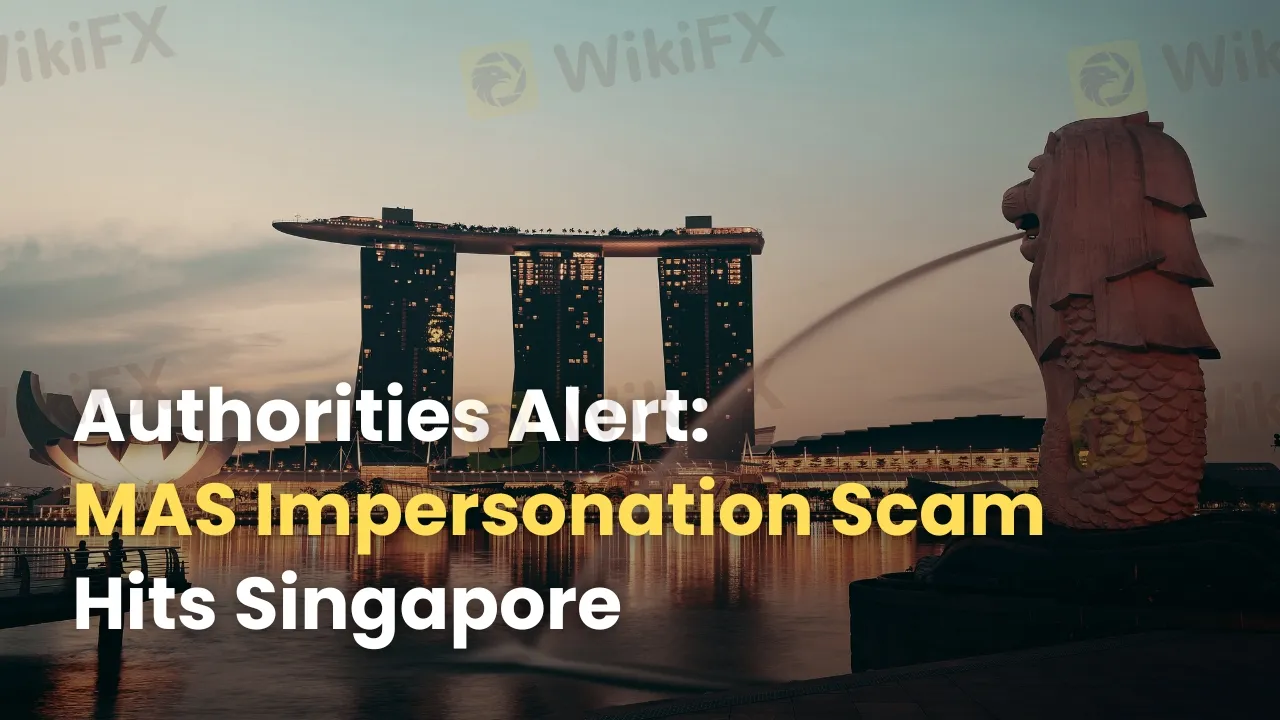
The Monetary Authority of Singapore (MAS) and the Singapore Police Force have issued a joint advisory warning the public about a sophisticated scam involving the impersonation of MAS officials. Since March 2025, at least three cases have been reported, with victims losing over $614,000 collectively.
Scammers are using local phone numbers starting with “8” or “9” to pose as MAS officers. They direct victims to the MAS Register of Representatives, a legitimate platform listing representatives from licensed financial institutions. However, the advisory clarifies that the Register does not include MAS employees and cannot be used to verify if a caller is an actual official.

After directing victims to the website, the scammers allege that their bank accounts are linked to money laundering activities or that their personal data has been compromised. Victims are then pressured into sharing sensitive information such as SingPass credentials, and banking details, or transferring money to designated accounts. In some cases, scammers use PayNow accounts displaying the victims name to make the transactions appear more credible.
The authorities stress that MAS officials or any legitimate government representatives will never ask individuals to transfer money, disclose personal or banking information, install unofficial apps, or transfer calls to the police unless the caller has dialed 995 for a life-threatening emergency.
To protect yourself, follow the ACT framework:
Stay vigilant and safeguard your finances from these increasingly sophisticated scams.

Disclaimer:
The views in this article only represent the author's personal views, and do not constitute investment advice on this platform. This platform does not guarantee the accuracy, completeness and timeliness of the information in the article, and will not be liable for any loss caused by the use of or reliance on the information in the article.

Scams aren’t getting smarter — they’re getting more human. Even experienced investors are losing big money. Why does this keep happening in Malaysia while Singapore takes a different path?

The forex market is a happening place with currency pairs getting traded almost non-stop for five days a week. Some currencies become stronger, some become weaker, and some remain neutral or rangebound. If you talk about the Indian National Rupee (INR), it has dipped sharply against major currencies globally over the past year. The USD/INR was valued at around 85-86 in Feb 2025. As we stand in Feb 2026, the value has dipped to over 90. The dip or rise, whatever the case may be, impacts our daily lives. It determines the price of an overseas holiday and imported goods, while influencing foreign investors’ perception of a country. The foreign exchange rates change constantly, sometimes multiple times a day, amid breaking news in the economic and political spheres globally. In this article, we have uncovered details on exchange rate fluctuations and key facts that every trader should know regarding these. Read on!

Do you face numerous login errors with VPS, a Vietnam-based forex broker? Did these errors lead to missed opportunities or losses? Does your trading account often have an insufficient balance despite numerous trades on the VPS login? Does the broker compel you to renew your subscription even if it’s not required? These issues have become synonymous with many of its traders. They have highlighted these online. In this VPS review article, we have investigated these issues. Read on!

A Malaysian man was charged in Singapore for allegedly acting as a cash collector in a cross-border investment scam, after a victim lost substantial funds through a fake platform promoted via social media and WhatsApp. The case underscores the growing sophistication of scam networks and the importance of caution when dealing with unsolicited investment offers.