Abstract:CySEC has officially withdrawn the license of Itrade Global, the company behind trading brands TradedWell and InvestFW. Though inactive since early 2023, the firm’s past regulatory breaches and abrupt shutdown still serve as a cautionary tale in the CFD industry.
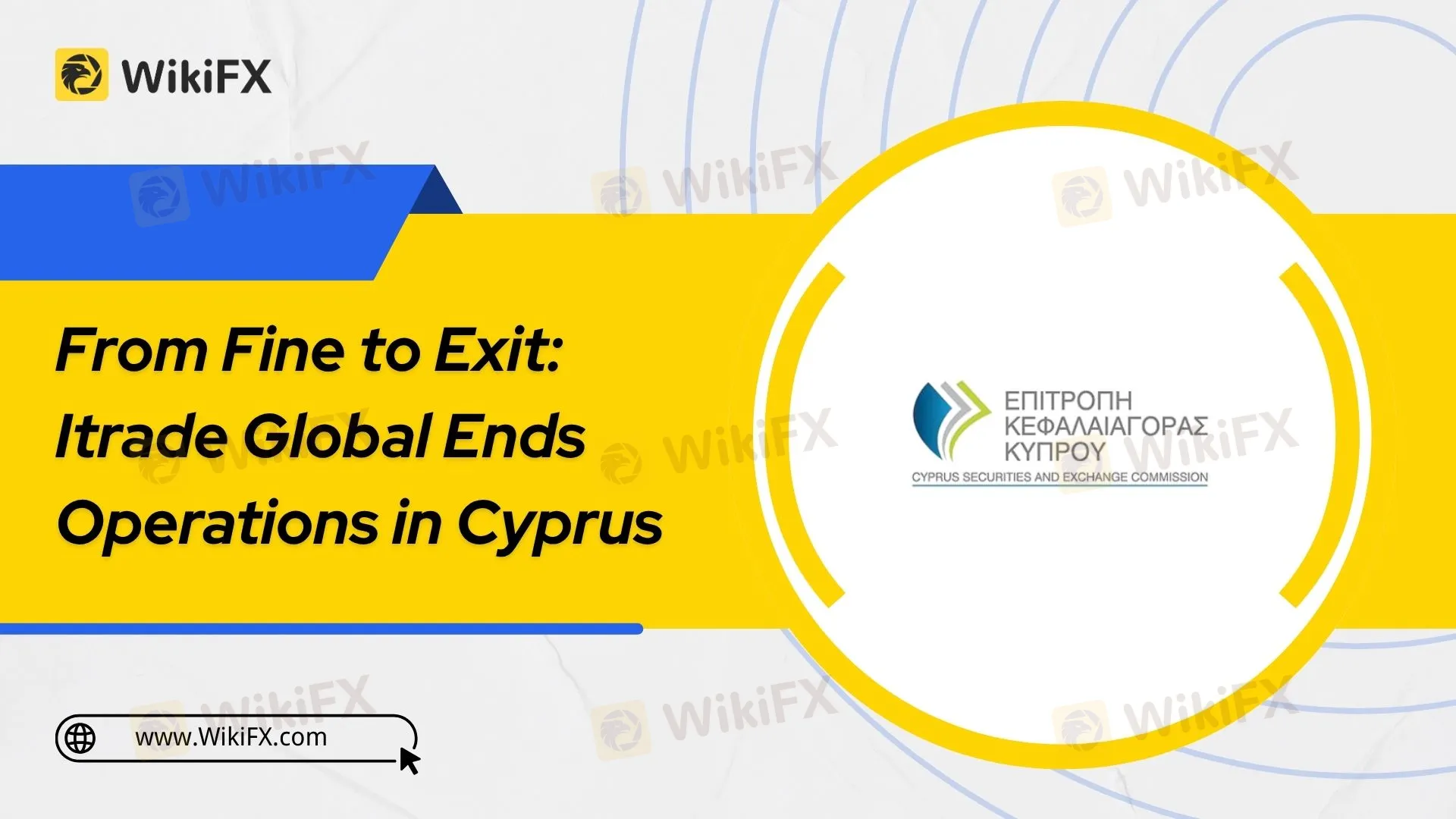
The Cyprus Securities and Exchange Commission (CySEC) has officially withdrawn the Cyprus Investment Firm (CIF) license of Itrade Global, a brokerage once operating the brands TradedWell and InvestFW. According to CySECs notice, the firm voluntarily renounced its license, with the decision finalized in April 2025 and publicly announced this week.
 Contents
TradedWell and InvestFW Had Already Gone Dark
Itrade Globals withdrawal was largely anticipated. As early as January 2023, TradedWell suspended its services, citing an “operational optimisation process.” Shortly after halting deposits and trade activity, the platform was taken offline. Its sister brand, InvestFW, followed suit and ceased operations quietly around the same time.
Launched in 2020, TradedWell had marketed itself as a commission-free broker offering over 170 CFDs across forex, stocks, crypto, commodities, and more. Despite rapid growth, the brands had a short-lived presence.
A Costly Regulatory Breach in Spain
A major turning point came in 2023, when CySEC fined Itrade Global €1 million for compliance violations linked to its tied agent in Spain. The regulator found the company had:
- Failed to identify and manage conflicts of interest
- Provided misleading information to clients
- Failed to uphold standards of fairness and professionalism
These breaches, considered severe under EU regulations, severely damaged the firms reputation and called its practices into question.
CySECs Regulatory Climate Tightens
Cyprus has long been a hub for CFD brokers targeting European markets. But in recent years, CySEC has stepped up enforcement, issuing fines, revoking licenses, and tightening oversight.
Public scrutiny has also intensified. Notably, the Mayor of Paphos alleged that some forex companies in Cyprus were being used for money laundering via shell entities in Latin America—claims that have further pressured regulators to clean up the industry.
A Warning to Traders
The Itrade Global case highlights a broader trend: firms with poor compliance records are being forced out. For investors, the lesson is clear—verify before you trade.
Before depositing funds or opening an account, always check a brokers regulatory status via official sources or tools like WikiFX, which help identify whether a platform is properly licensed or flagged for violations.