Abstract:Bankruptcy is a common term we hear every day. But what exactly does it mean? Is it a banking crisis or an investment scam? How does it work, and what happens to people's investments? What are the consequences of bankruptcy? This article explores all of these important questions.
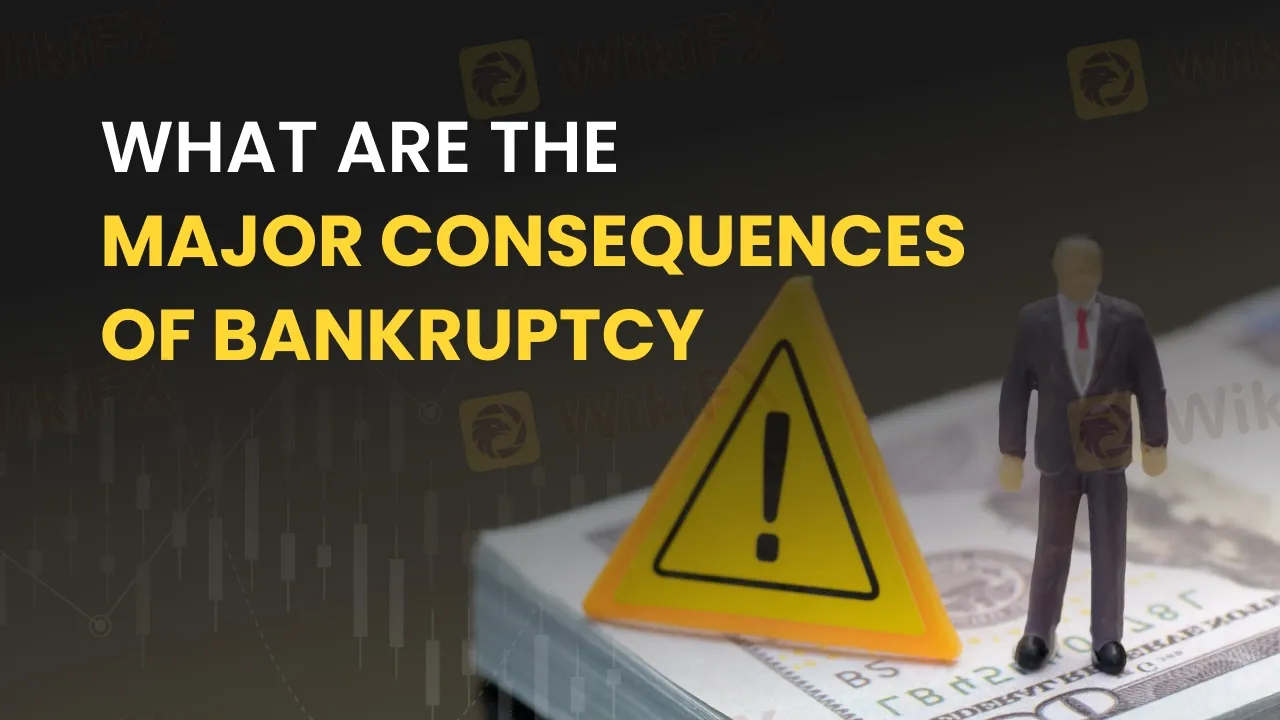
Bankruptcy is a common term we hear every day. But what exactly does it mean? Is it a banking crisis or an investment scam? How does it work, and what happens to people's investments? What are the consequences of bankruptcy? This article explores all of these important questions.
What is Bankruptcy?
Bankruptcy is a legal way to deal with money problems when a person or business cant pay back what they owe. It helps them either cancel some debts or make a plan to pay them off slowly, with help from the court. Bankruptcy is handled by a special court. It can give people a fresh start, but it also hurts their credit score and can make it harder to borrow money in the future.
What Happens During Bank Bankruptcy
1. The bank reports to regulators.
2. Regulators freeze operations and take control.
3. The insured deposits are paid out (usually within weeks or months).
4. The bank may:
· Be sold to another bank (your account is just moved over), or
· Be liquidated (its assets sold to repay debts).
If Bank Gets Bankrupt — What Happens to Your Money?
Most modern banks are covered by deposit insurance, which protects your money up to a certain limit. For example, in India, the Deposit Insurance and Credit Guarantee Corporation (DICGC) guarantees up to ₹5 lakh per depositor. The exact limit varies from country to country.
If a bank shuts down, people with insured accounts usually get their money back—up to the insured amount. But if you have more money than the limit, the extra amount could be at risk. You might get some of it back when the bank‘s assets are sold, but there’s no promise. Those whove invested in the bank, like through shares or bonds, often lose even more.
Stay Informed
If you're interested in reading more informative articles about forex brokers. We recommend you to download WikiFX App. Stay updated with the latest developments in the forex market—including Scam brokers list, Regulatory warnings, Broker News and in-depth Broker Reviews .You can access all this valuable information directly through the WikiFX App or by visiting the News section on the WikiFX website.