Abstract:Investment scams in Malaysia have surged to worrying new levels, with police confirming losses totalling over RM750 million in just the first half of 2025. According to data from the Bukit Aman Commercial Crime Investigation Department (CCID), this figure more than doubles the RM350 million lost during the same period in 2024.
Investment scams in Malaysia have surged to worrying new levels, with police confirming losses totalling over RM750 million in just the first half of 2025. According to data from the Bukit Aman Commercial Crime Investigation Department (CCID), this figure more than doubles the RM350 million lost during the same period in 2024.
CCID Director Datuk Rusdi Mohd Isa revealed that authorities have recorded 4,368 scam cases so far this year, compared to 2,715 cases over the same period last year. This sharp increase reflects a concerning trend as fraudsters continue to exploit new tactics and unsuspecting investors.
The police have identified three primary types of scams responsible for most of the losses: Clone Firm Investment Scams, High and Fast Money Forex Scams, and Ponzi Schemes.
In Clone Firm Investment Scams, criminals impersonate legitimate investment companies through social media advertisements. Once a victim engages, they are added to WhatsApp groups and guided by supposed “traders” who instruct them to use specific apps or websites. These platforms show fake profits to convince users to invest more. Victims are often told to transfer funds into mule accounts, including bank accounts registered under fake or unrelated company names. When victims attempt to withdraw their returns, they are met with constant excuses and delays.
High and Fast Money Forex Scams operate under a similar structure, where fraudsters pose as foreign-registered forex brokers. Victims are lured with promises of quick and sizeable returns. However, before any returns are paid out, victims are repeatedly asked to make additional payments for capital injections, broker fees, international transfer charges, and taxes. Once payments are made, the promised profits never arrive.
Ponzi Schemes often involve physical or virtual meetings held in professionally presented offices to build trust. Victims are persuaded to transfer funds, often in cryptocurrency such as USDT, into digital wallets controlled by the scam operators. At first, returns appear to be genuine, encouraging victims to invest more. But the scheme collapses as soon as new investor inflows dry up, leaving existing participants unable to recover their money.
To help the public avoid falling prey to these schemes, Rusdi encouraged the use of the “Take Five” method before investing. This includes taking a moment to assess the opportunity, conducting thorough research, asking the right questions, verifying documents, and using official tools to check the legitimacy of companies and bank accounts. He highlighted the Semak Mule portal (https://semakmule.rmp.gov.my) as a useful resource for verifying suspicious details.
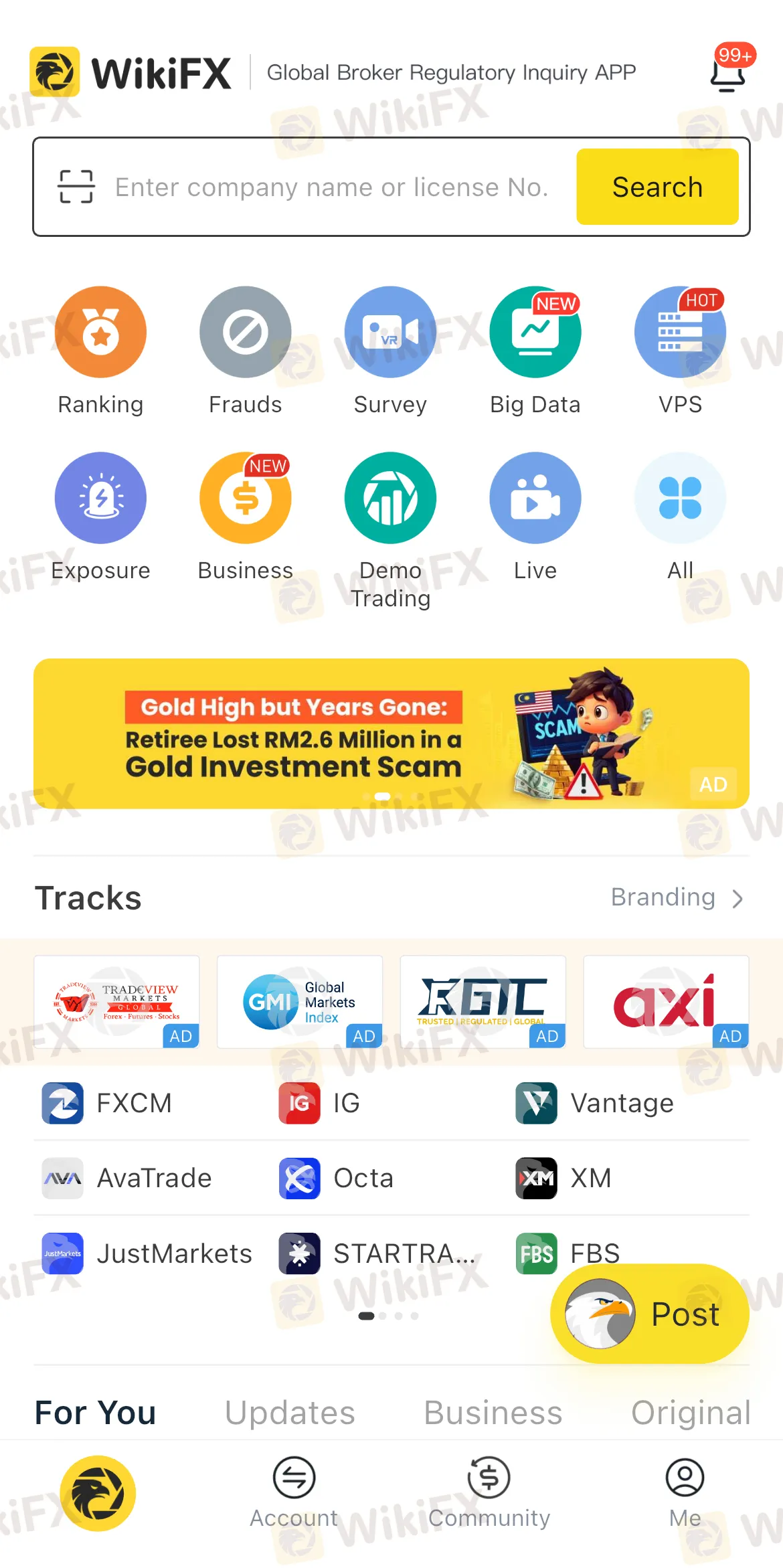
Additionally, he recommended the WikiFX mobile app, available on both Google Play and the App Store. This free tool provides users with detailed information on investment platforms, including regulatory status, customer reviews, and safety scores. With these insights, investors can make informed decisions and avoid falling into the trap of unlicensed brokers.
Authorities continue to urge the public to stay alert, especially when encountering high-return investment opportunities on social media. As scam tactics grow more convincing, critical thinking and proper verification remain the strongest defences.