Abstract:While Capex presents itself as a multi-regulated entity with a respectable B-ranking, a deeper look into recent user activities reveals a troubling dichotomy between its public image and client reality. Our investigation uncovers a systematic pattern of withdrawal blockers, aggressive account management tactics, and regulatory inconsistencies—particularly concerning for traders in the African and Latin American markets. Before you deposit, read this full breakdown of the primary risks associated with Capex.
Abstract
While Capex presents itself as a multi-regulated entity with a respectable B-ranking, a deeper look into recent user activities reveals a troubling dichotomy between its public image and client reality. Our investigation uncovers a systematic pattern of withdrawal blockers, aggressive account management tactics, and regulatory inconsistencies—particularly concerning for traders in the African and Latin American markets. Before you deposit, read this full breakdown of the primary risks associated with Capex.
Disclaimer: The following investigation is based on specific user complaints and regulatory data recorded by WikiFX. All cases cited are based on real records; identities have been anonymized to protect the privacy of the traders involved.
The “Gatekeeper” Strategy: When Advisors Become Obstacles
One of the most disturbing patterns emerging from our analysis of recent trader feedback is the role of the “Account Advisor.” In a standard, regulated trading environment, an advisor (if present) offers market insights, but the client retains full autonomy over their funds. However, reports concerning Capex suggest a structure where the advisor acts as a gatekeeper, effectively controlling the flow of capital.
WikiFX has received detailed reports regarding specific advisors—names like “Jaison Sanchez,” “Herson Sanchez,” and “Emanuel” appear repeatedly in complaints from the Latin American region. The modus operandi described is remarkably consistent: clients are treated well until they attempt to withdraw funds.
One trader reported a harrowing experience where an advisor named Emanuel allegedly told him that to withdraw $5,000, he first had to deposit $25,000. This logic—demanding more capital to release existing funds—is a classic red flag in the financial industry. The trader expressed deep frustration, noting that he was not even allowed to move money from his trading account to his wallet without the advisor's “permission.” When the trader refused to comply, the communication reportedly turned hostile.
Another case involves a trader who invested $3,100, only to lose everything because their advisor refused to close a losing operation. The reliance on these “experts” seems to be the primary point of failure for many clients. instead of a neutral platform, traders find themselves battling against the very people hired to assist them.
The “Bonus” Trap: Why Your Equity Isn't Yours
A recurring theme in the Capex review complaints is the weaponization of trading bonuses. Bonuses are often marketed as “free money” to boost your trading power, but in the cases we analyzed, they function more like handcuffs.
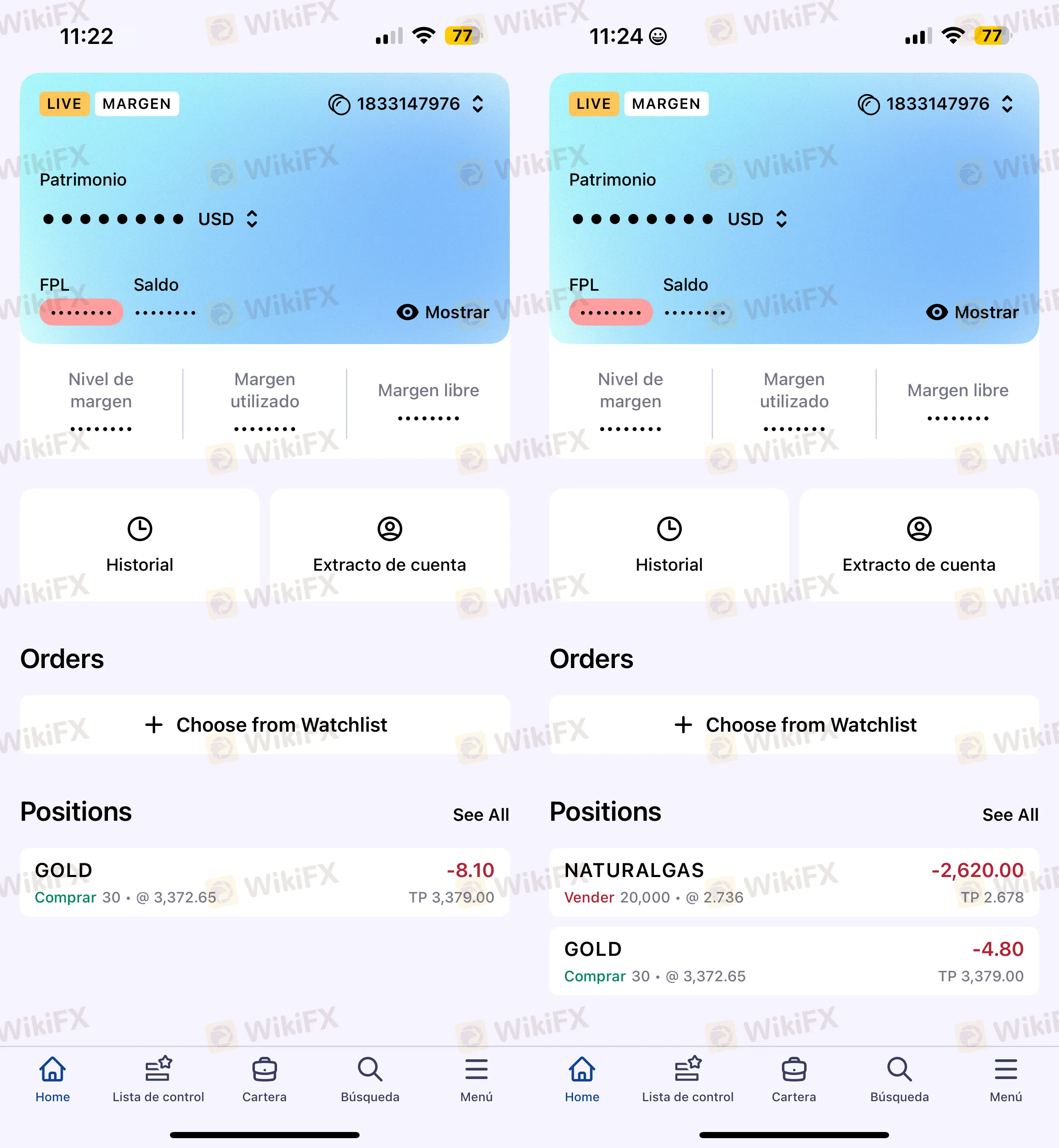
A trader from Mexico described a situation where their withdrawal was blocked because they had only completed “75% of the bonus requirement.” The advisor, identified as Jaison Sanchez, insisted that the client must trade significantly higher volumes to unlock their own capital. When the client asked to simply withdraw their initial deposit and forfeit the bonus, the request was denied. Ideally, a regulated broker should always allow a client to withdraw their own principal, regardless of bonus terms.
The danger of this mechanism is clear: to meet the volume requirements needed to withdraw, traders are forced to open larger, riskier positions. This frequently leads to a total loss of funds before the withdrawal condition is ever met. It creates a cycle where the only way out is to dig a deeper hole.
Digital Instability: The “Update” That Erased Access
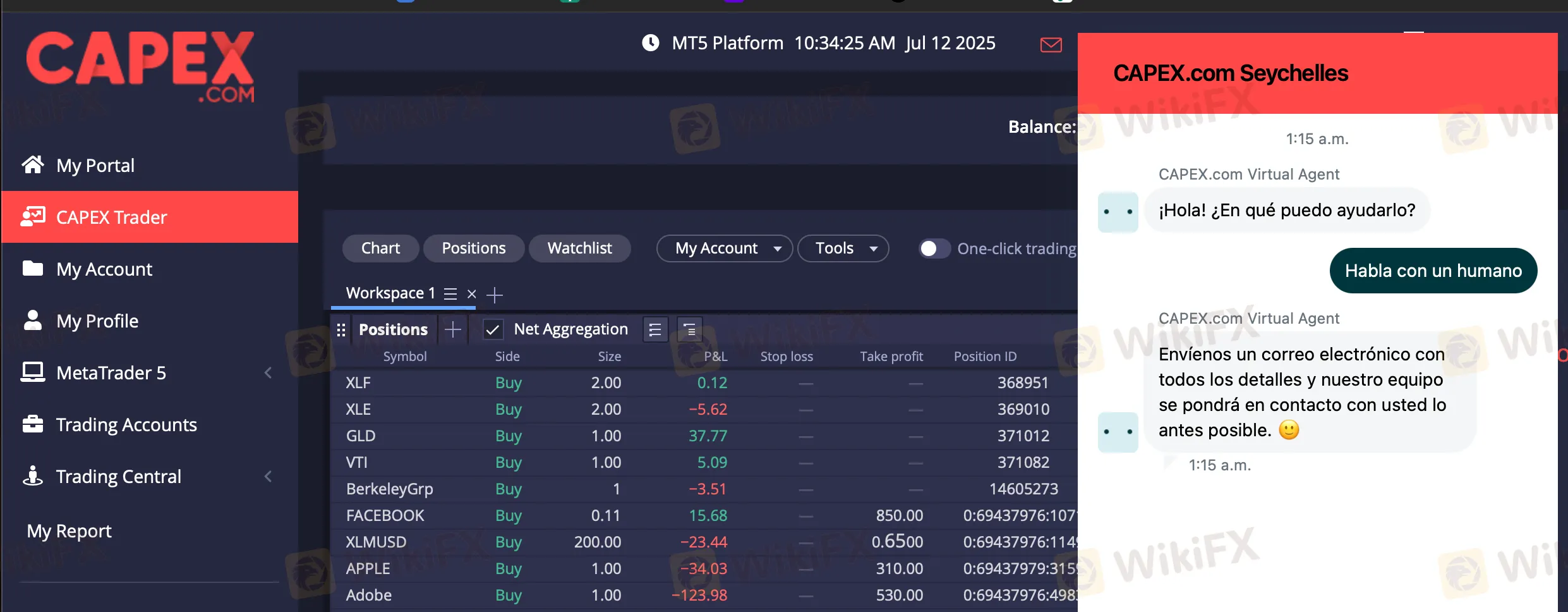
Beyond the human element, our investigation uncovered reports of severe technical failures that coincide suspiciously with market volatility. One detailed report from March 2025 highlights a period where the web platform was inaccessible for days due to a “supposed update.”
During this downtime, traders with open positions were unable to manage their risk, leading to inevitable losses. The update, intended to incorporate MT5, allegedly resulted in the deletion of user data, forcing clients to re-upload verification documents and re-validate phone numbers—links for which reportedly did not work.
Even more concerning, after the “update,” the Android app remained non-functional for two months for some users. When technical support was contacted, the response was described as rude and dismissive. For a broker that claims to offer “Perfect” software ratings and MT5 integration, such catastrophic IT failures are unacceptable and pose a direct risk to client solvency.
The Psychological Squeeze: Inducement and Debt
Perhaps the most heartbreaking aspect of the complaints we reviewed involves the psychological pressure placed on traders. One user described a progressively aggressive campaign by an advisor named Herson Sanchez.
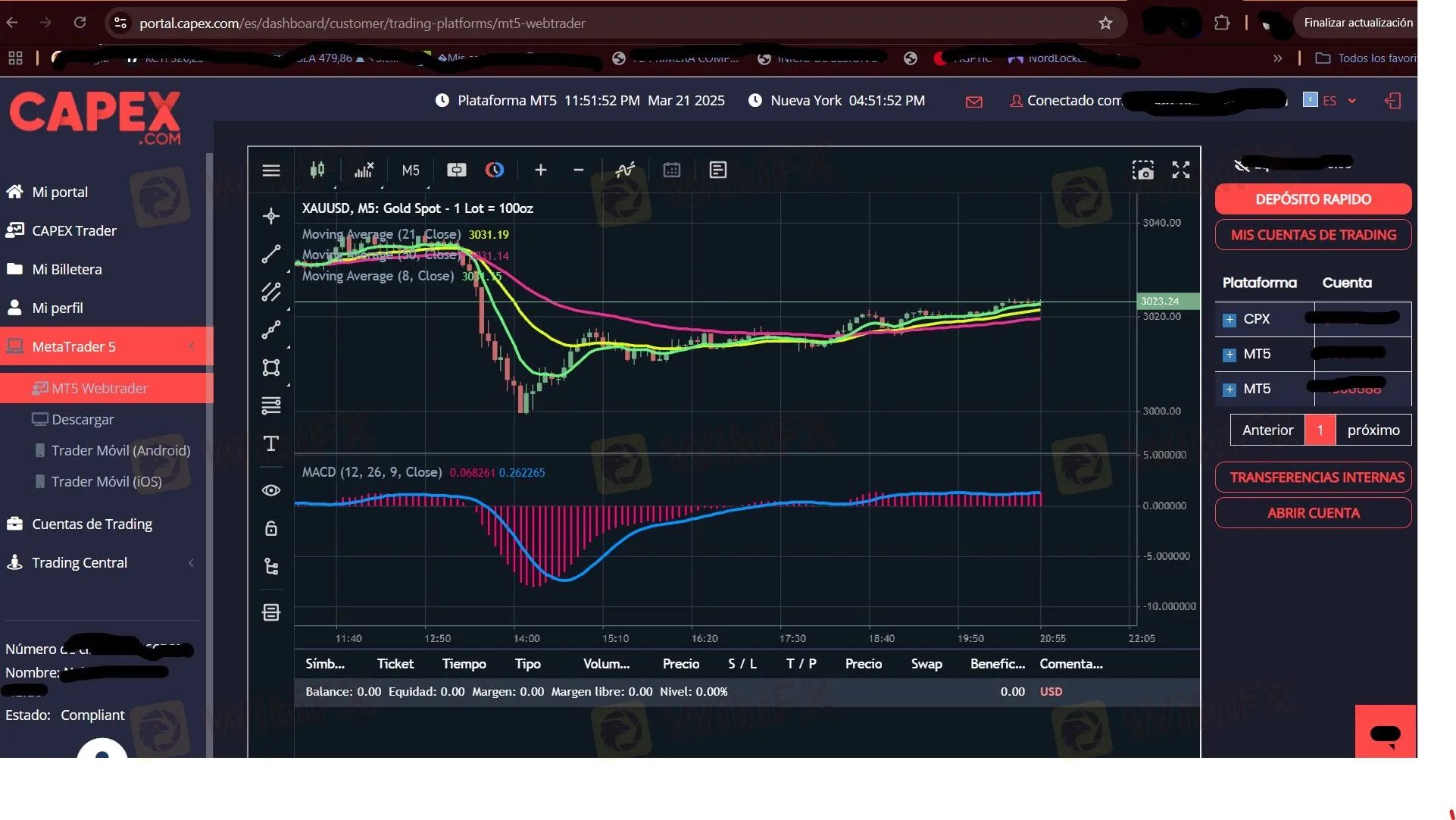
The cycle began with a minimum investment. Once the account showed “fake gains” (a common tactic where the platform displays profits that aren't realized), the advisor pressured the client to inject more capital to “maximize the split.” When the client ran out of personal funds, the advisor reportedly urged them to borrow money and use credit cards.
The outcome was a total loss of nearly $7,100. When the client attempted to withdraw the remaining balance, they were told the funds were “bonus credits” and could not be touched. The documented evidence includes screenshots of daily calls and emails, harassing the client to deposit more funds even as their financial situation deteriorated. This behavior goes beyond poor customer service; it borders on predatory inducement.
Regulatory Disclosure: The Critical Gap
A key question every trader must ask is: “If things go wrong, who protects me?” With Capex, the answer is complicated. While they hold a legitimate license from CySEC (Cyprus), which offers strong protection for EU clients, the entity serving clients outside of Europe is often the one regulated in Seychelles (Offshore).
Crucially for our African readers, WikiFX's regulatory database indicates that Capex's license with the South Africa FSCA is classified as “Unverified.” This means that South African traders may not be operating under the local protections they assume they have. The CySEC license held by “Naga Markets Europe Ltd” is also marked as Unverified, raising questions about the corporate structure.
Below is the complete breakdown of their regulatory status as recorded by our system:
The presence of “Unverified” licenses alongside Offshore regulation creates a significant compliance gap. Traders often register believing they are under a top-tier jurisdiction, only to find their contracts are legally bound to an offshore island where dispute resolution is difficult, if not impossible.
Is Capex safe? Based, on the complaints regarding withdrawal problems and the unverified status of key regional licenses, we urge extreme caution. The discrepancy between their marketing as a global broker and the “high risk” reality experienced by clients experiencing withdrawal freezes cannot be ignored.
WikiFX Risk Warning
Risk Warning: Forex and CFD trading involves a high level of risk and may not be suitable for all investors. You may lose part or all of your initial investment. The information provided in this article is for educational purposes and based on current data and user feedback. We strongly advise checking the latest regulatory status on the WikiFX App before opening an account with any broker.