

Global Broker Regulation Inquiry App
About WikiFX
English
简体中文
繁體中文
English
Pусский
日本語
ภาษาไทย
Tiếng Việt
Bahasa Indonesia
Español
हिन्दी
Filippiiniläinen
Français
Deutsch
Português
Türkçe
한국어
العربية
اردو
Oil Markets Weigh Geopolitics: Maduro Arrest vs. Supply Reality
Abstract:Global oil markets remain largely unfazed by the US military's capture of Venezuelan President Maduro, with analysts citing pre-existing sanctions and robust global supply as buffers against price shocks. Meanwhile, OPEC+ maintains a cautious stance, holding production steady amidst rising geopolitical tensions involving Iran.
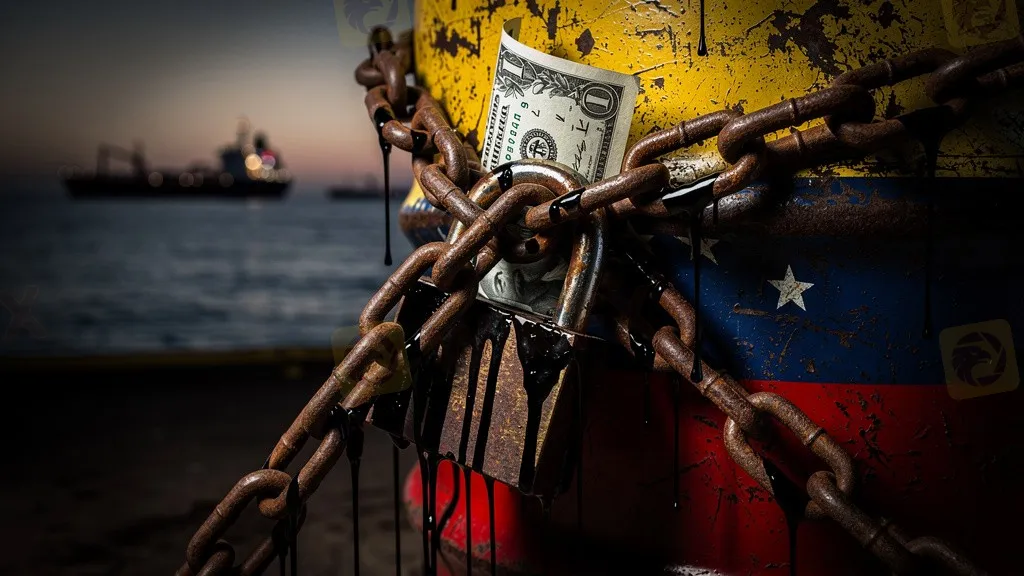
Crude oil markets are conducting a volatile assessment of geopolitical risk following the US military's dramatic capture of Venezuelan President Nicolas Maduro in Caracas. While initial headlines regarding the potential “US control” of the OPEC nation triggered fears of supply disruption, leading energy analysts and market data suggest the actual impact on global oil prices will be limited due to pre-existing bottlenecks and ample global inventory.
Sanctions Already Priced In
Market reaction has been tempered by the reality that Venezuelan oil has largely been removed from the global grid prior to the military operation. Following stringent US mandates, including the blockade of sanctioned tankers, Venezuelas oil exports had already ground to a near-halt as of January 1.
Data indicates that Venezuelan export volumes plummeted to approximately 500,000 barrels per day (bpd) in December—half of November's levels. Currently, the only significant volume leaving the country is via Chevron, which continues to export roughly 100,000 bpd under a specific US government authorization.
Consequently, millions of barrels remain stranded on tankers or forced into domestic storage, pushing local inventory capacities to their limits. With production already throttled by these logistical constraints, the removal of Maduro does not immediately alter the supply equation.
OPEC+ Stability and Global Buffers
Despite the political upheaval in Venezuela and escalating rhetoric regarding Iran, the broader energy market remains well-supplied. Analysts at Capital Economics note that because US operations did not damage oil infrastructure, the physical flow of commodities remains largely unchanged.
Furthermore, OPEC+ has adopted a defensive posture. The alliance confirmed on Sunday that it will maintain stable output levels through the first quarter, pausing previously planned production increases. This decision reflects a strategy to prioritize market flexibility over volume, ensuring that any minor supply shocks from Latin America can be absorbed by spare capacity elsewhere.
Analyst View
Saxo Banks Head of Commodity Strategy, Ole Hansen, suggests that while geopolitical risk premiums may offer a “small lift” to prices, the upside is capped by the sheer volume of global supply. The consensus view is that a recovery in Venezuelan output, even with potential US investment, would be a “long and rocky” road, unlikely to flood the market in the near term due to decades of infrastructure decay.
Investors continue to navigate a fragile sentiment landscape entering 2026, balancing the friction of new geopolitical flashpoints against the structural headwinds of verified supply surpluses.
Disclaimer:
The views in this article only represent the author's personal views, and do not constitute investment advice on this platform. This platform does not guarantee the accuracy, completeness and timeliness of the information in the article, and will not be liable for any loss caused by the use of or reliance on the information in the article.
WikiFX Broker
Latest News
21 Arrested in Melaka Raid on Fake Stock Investment Call Centre
 WikiFX
Octa Review: Profit Withdrawals, Account Blocks, and Broker Risk Signals
WikiFXSpotting Forex Ponzi Schemes and Confidence Scams Before You Deposit
WikiFXWhat Indian Beginners Should Check Before Choosing a Forex Broker
WikiFXINVESTIZO Review: Unregulated Broker Under Fire Over Withdrawals and Profit Cancellation
WikiFXBuild Trading Discipline Using a Bar-by-Bar Blind Test
WikiFXBreak the Habit of Adding to Your Losing Trades
WikiFXBehind the Regulated Facade: Is ACCUMARKETS Freezing Out Successful Traders?
WikiFXFBS Review: CySEC & ASIC Licensed, Yet Scored 2.51 , What's Really Going On?
WikiFXIpoh Businessman Loses RM1.25 Million in Crypto Group that Promised High Returns
WikiFX