

Global Broker Regulation Inquiry App
WikiFX
English
简体中文
繁體中文
English
Pусский
日本語
ภาษาไทย
Tiếng Việt
Bahasa Indonesia
Español
हिन्दी
Filippiiniläinen
Français
Deutsch
Português
Türkçe
한국어
العربية
CFTC Faces a Defining Test in Crypto Oversight
Abstract:The U.S. Commodity Futures Trading Commission (CFTC) is approaching a pivotal moment as lawmakers consider expanding its role as a primary regulator of cryptocurrency markets. According to Decrypt, th
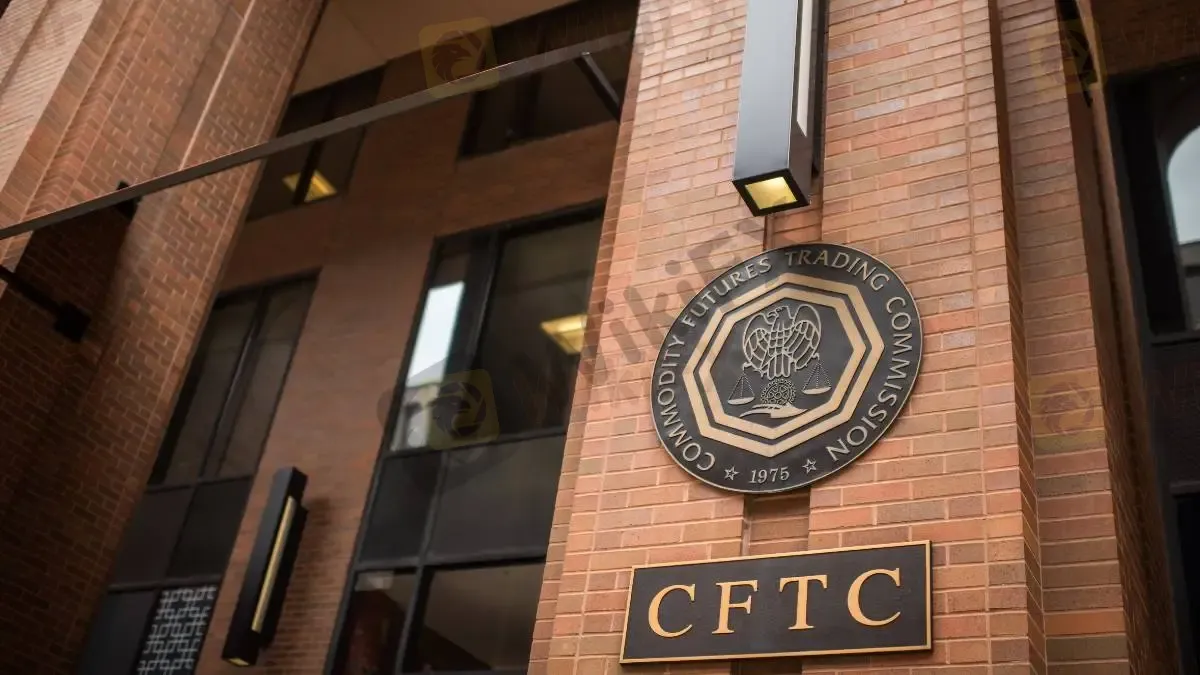
The U.S. Commodity Futures Trading Commission (CFTC) is approaching a pivotal moment as lawmakers consider expanding its role as a primary regulator of cryptocurrency markets. According to Decrypt, this potential mandate comes as the agency faces shrinking staff levels, limited technical resources, and growing internal strain.
A recent report from the Office of Inspector General identified digital asset oversight as one of the CFTC‘s top management and performance risks for fiscal year 2026. The report warned that pending legislation could significantly expand the agency’s responsibilities without matching increases in funding, staffing, or technology. CFTC headcount has reportedly fallen by more than 20% over the past year, raising concerns about its capacity to absorb new duties.
Supporters argue the CFTC is well positioned to oversee crypto derivatives and prediction markets, given its existing role in Bitcoin and Ethereum futures. However, critics note that crypto spot markets operate continuously, globally, and often on decentralized infrastructure—conditions far removed from traditional commodities markets.
Legislative uncertainty adds to the challenge. The proposed CLARITY Act aims to give the CFTC authority over crypto spot markets, but negotiations have stalled, leaving the agency in limbo as it prepares for possible expansion. Meanwhile, the CFTC has signaled openness to innovation, including plans to pilot tokenized collateral in derivatives markets.
Overall, the debate highlights a core issue: expanding authority alone may not be enough. Effective crypto oversight will require significant investment in people, technology, and legal frameworks tailored to digital markets, making the CFTCs next steps critical for the future of U.S. crypto regulation.
Disclaimer:
The views in this article only represent the author's personal views, and do not constitute investment advice on this platform. This platform does not guarantee the accuracy, completeness and timeliness of the information in the article, and will not be liable for any loss caused by the use of or reliance on the information in the article.
WikiFX Broker
Latest News
Retiree’s Tabung Haji Savings Gone: Elderly Retiree Loses RM277,000 After One Whatsapp Message
 WikiFX
Forex Brief: Dollar Dips Ahead of NFP; RBA Bets Lift AUD
WikiFXCrude Oil Rallies to $85 on Escalating Middle East Geopolitical Risks
WikiFXChina Signals Tolerance for Slower Growth with Revised 2026 Outlook
WikiFXOil Surges as Qatar Warns of $150 Crude and 'Force Majeure' Across Gulf Exporters
WikiFXJRJR Review: Safety, Regulation & Forex Trading Details
WikiFXHeroFx Review: Withdrawal Problems, Scam Alert & Risks
WikiFXForex Brief: Yen Weakens Past 157.75 as BoJ Policy Hopes Dim
WikiFXCanadian Regulators Say More Than 7,500 Fraudulent Investment and Crypto Websites Were Taken Down
WikiFXUS NFP Preview: Markets Brace for Volatility as Employment Data Tests Fed's Patience
WikiFXCurrency Calculator
USD

CNY
Current Rate:0
Amount
USD
Available
CNY
Calculate 