

Global Broker Regulation Inquiry App
About WikiFX
English
简体中文
繁體中文
English
Pусский
日本語
ภาษาไทย
Tiếng Việt
Bahasa Indonesia
Español
हिन्दी
Filippiiniläinen
Français
Deutsch
Português
Türkçe
한국어
العربية
اردو


Japan Outlook: The 'Buy Japan' Trade Unravels as Macro Anxiety Takes Over

WikiFX
|


Abstract:The popular 'Buy Japan' trade is rapidly unwinding as global markets shift from liquidity concerns to macro-economic anxiety, exposing Japan's vulnerability to energy shocks. Investors are liquidating positions, driving yen volatility despite potential BOJ rate hikes.
The investment thesis that made Japan a darling of global asset managers in early 2024 is fracturing. According to Nomura Securities, the global market narrative has shifted decisively from “liquidity concerns” to “macro anxiety,” exposing structural weaknesses.
Vulnerability to the Oil Shock
As one of the worlds largest energy importers, Japan is susceptible to chaos in the Middle East. Technical factors such as the rise in Brent Crude create negative terms-of-trade shocks for Tokyo.
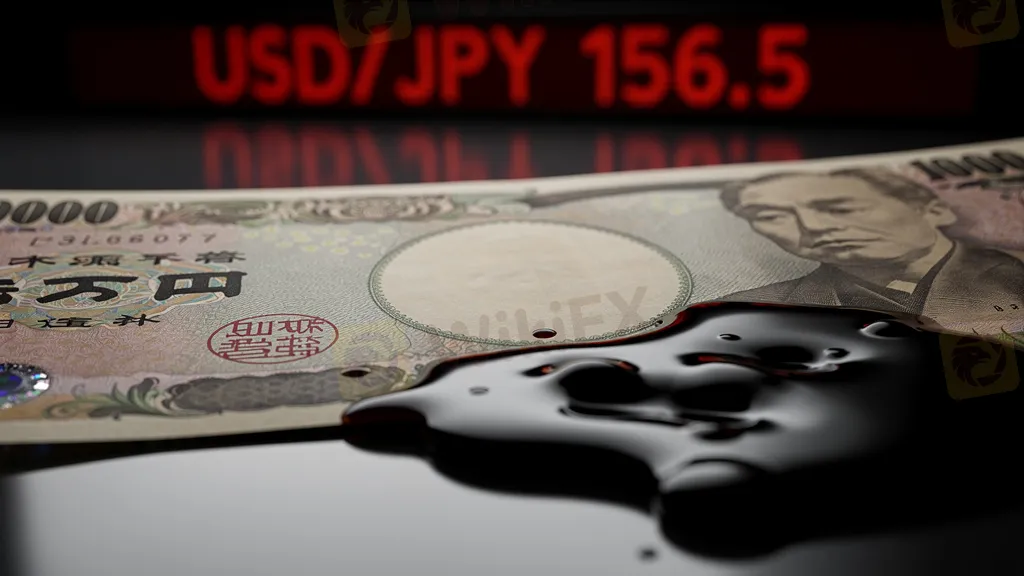
Consequently, the “safe haven” status of the Yen is under pressure. Despite typically strengthening during risk-off periods, the currency faces broad selling, with USD/JPY hovering in the 156.0-156.5 range.
The Carry Trade Unwind
Hedge funds are accelerating the liquidation of “Buy Japan” positions. The previous logic of low inflation and corporate reform is being overridden by global credit risks. Despite the Bank of Japan (BOJ) signaling potential tightening, US investors believe policy shifts will be insufficient to close the yield gap.
Market Data & Key Levels
- Resistance Zone: USD/JPY holding firm in the 156.0-156.5 channel.
- Rate Hike Probability: Markets pricing in a 69% chance of a BOJ hike in April.
- Risk Factors: Rising Brent Crude prices and suspended Qatari energy exports.
Disclaimer:
The views in this article only represent the author's personal views, and do not constitute investment advice on this platform. This platform does not guarantee the accuracy, completeness and timeliness of the information in the article, and will not be liable for any loss caused by the use of or reliance on the information in the article.
WikiFX Broker
Latest News
InstaForex Review 2026: Is This Forex Broker Safe?
WikiFXSandStoneFX Review 2026: Is This Forex Broker Safe?
WikiFXFake Investment Scam and Human Trafficking Network Busted with 109 Arrested
WikiFXFacing a 20% Floating Loss: How Beginners Can Prevent a Margin Call
WikiFXForex Traders With Day Jobs: The PERKESO Deadline You Cannot Ignore
WikiFXLOYAL PRIMUS Review: FSCA-Regulated Broker Faces Mounting Withdrawal Complaints
WikiFXGFS Review 2026: Withdrawal Complaints, MT5 Access, and Regulation Gaps
WikiFXHow Trading Costs Quietly Drain Your Account: Spreads, Swaps, and Pip Values
WikiFXWhy MetaTrader 4 Remains the Top Choice for Testing Automated Trading Robots
WikiFXDollar Firms as Geopolitics Pressures Asian Currencies
WikiFX