

Global Broker Regulation Inquiry App
About WikiFX
English
简体中文
繁體中文
English
Pусский
日本語
ภาษาไทย
Tiếng Việt
Bahasa Indonesia
Español
हिन्दी
Filippiiniläinen
Français
Deutsch
Português
Türkçe
한국어
العربية
اردو

How the Long Shadow Trap Ruins Reversal Trades
Abstract:Beginners often mistake long shadow candlesticks like the Shooting Star or Hanging Man for instant reversal signals, leading to premature entries and stop-loss hunts. This article explains how to distinguish false signals from actual trend shifts and warns against trusting local firms based solely on their corporate registry status.
You open your chart and see a picture-perfect long shadow at the top of a strong uptrend. Depending on its exact shape, you might identify it as a Shooting Star or a Hanging Man. The textbook rule seems simple here: a long shadow means the market is rejecting the price, so you should sell.
You place your trade, set your stop loss just above the shadow, and wait. But instead of dropping, the price pushes up just enough to trigger your stop loss before eventually reversing.
Why does this happen? Because not every long shadow is an immediate reversal signal, and treating it like one is exactly how beginners get trapped.
 Contents
The Illusion of the Single Candlestick
Let us look closely at umbrella-style patterns like the Shooting Star and the Hanging Man. Both feature a small real body and a much longer shadow. When you see a Shooting Star, it means buyers pushed the price up, but sellers eventually forced it back down by the time the session closed.
Beginners see this rejection and instantly hit the sell button. The problem is that a single candlestick only gives you a snapshot of a specific timeframe. A long shadow could indicate a legitimate market turning point, but it could also just be temporary market indecision, similar to a Doji. If the broader momentum is still strongly moving upward, the market will likely test that high price again, easily wiping out tight stop losses in the process.
Waiting for a True Power Shift
If a single long shadow is not enough to trade on, what should you look for? You need confirmation that the buyers have actually lost control.
Instead of guessing, wait to see how the next candle behaves. You want to see two-candle or three-candle patterns that show a clear shift in momentum. For example, a Dark Cloud Cover occurs when a strong bullish candle is immediately followed by a heavy bearish candle that closes deeply into the first candle's body.
An Engulfing Pattern provides an even stronger clue. In a bearish Engulfing Pattern, the second candle completely swallows the first one. These formations are more reliable to trade because they show actual follow-through from the sellers, rather than just a quick flick of a price wick.
The Danger of the Dead Cat Bounce
This trap works in the opposite direction, too. When a market is crashing, beginners constantly try to catch the absolute bottom. You might spot a small candlestick with a long lower shadow and think the downtrend is finally over.
Often, this is just a Dead Cat Bounce. This pattern happens when a falling market takes a brief pause. A few exhausted sellers close their positions to lock in profits, causing a tiny, temporary upward bounce. If you buy into this setup without waiting for a confirmed trend change, the broader downtrend will quickly resume and drag your new position straight into a loss.
A Reality Check on Local Entities
Beyond reading chart traps, beginners in Malaysia often fall into traps off the charts. You might be approached by local groups offering investment schemes or trading services, proudly displaying that they are a registered “SDN BHD” or “BHD.”
It helps to know what these terms actually mean. “SDN BHD” (Sendirian Berhad) simply denotes a private limited company under Malaysian law, while “BHD” (Berhad) refers to a public limited company. These labels only prove that a company exists as a legal corporate entity and that its shareholders have limited liability.
Being registered as an SDN BHD has absolutely nothing to do with financial regulation. It does not mean the company is authorized to handle your trading capital, and it certainly does not mean they are a licensed broker.
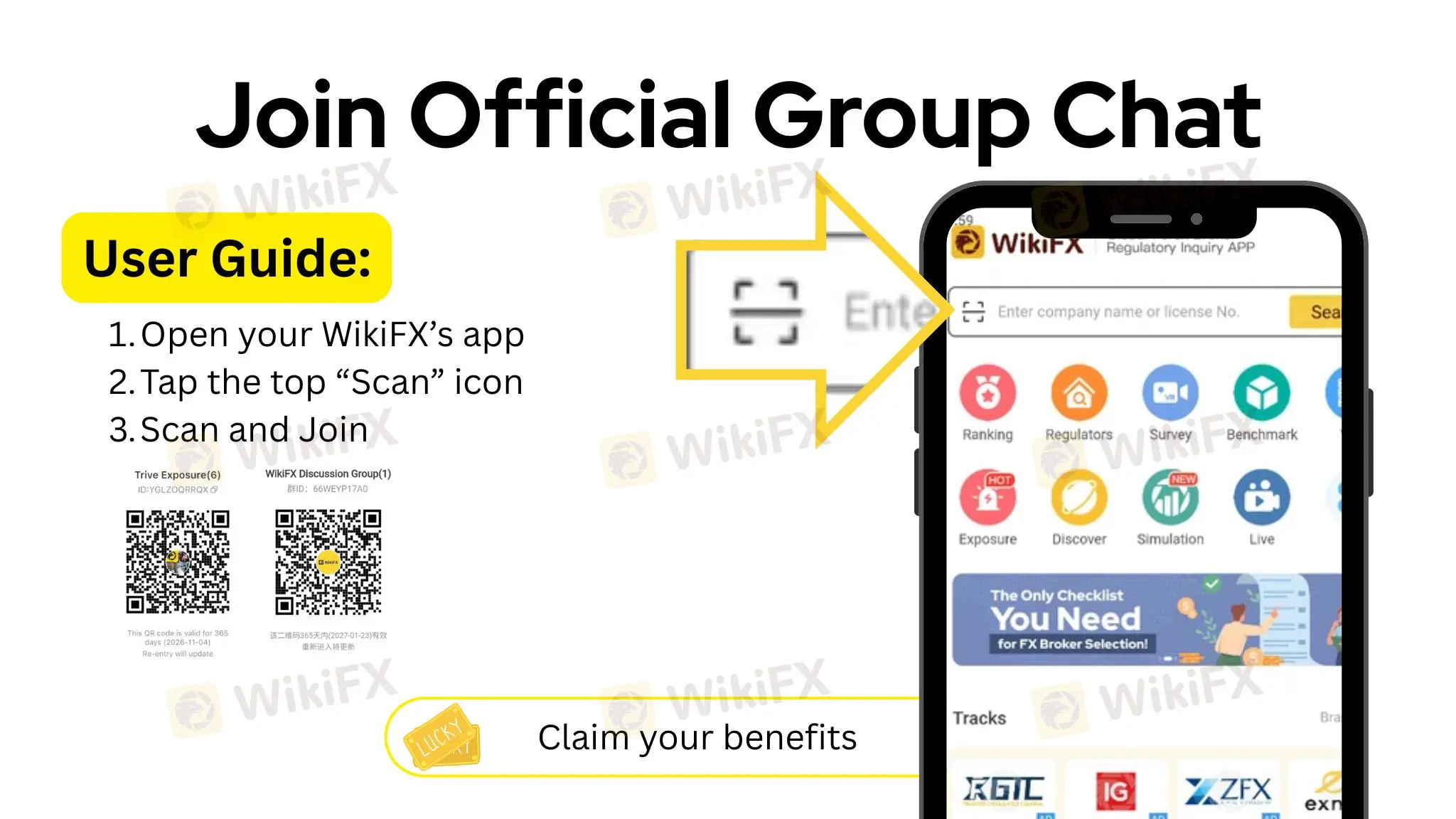
Stop treating every single long-shadow candle as an automatic command to trade, and start looking for confirmed momentum changes. The same rule of verification applies to your trading platform. Before you deposit money into an entity just because they have an official-sounding SDN BHD name, take a minute to verify their actual regulatory status on the WikiFX app to ensure they hold a legitimate financial license.

Disclaimer:
The views in this article only represent the author's personal views, and do not constitute investment advice on this platform. This platform does not guarantee the accuracy, completeness and timeliness of the information in the article, and will not be liable for any loss caused by the use of or reliance on the information in the article.
WikiFX Broker
Latest News
Trading.com Secures MiCA Licence in Cyprus as Crypto Access Becomes Part of Its EU Strategy
 WikiFX
BONUS Review 2025: Is This Forex Broker Safe?
WikiFXThe Hidden Risks of Margin Calls and How to Trade Trends Safely
WikiFXLONG ASIA Review 2026: Withdrawal Complaints and Unverified Regulation
WikiFXT4Trade Review 2026: Official Warnings and Withdrawal Risks
WikiFXPay a 17% Tax First, Then You Can Withdraw" — How Nixse Allegedly Held One Trader's €25,000 Hostage
WikiFXTotalFX Dangles 1:1000 Leverage and a $0 Minimum Deposit - But Is Its Regulation Strong?
WikiFXA Single TikTok Ad Cost Him RM100,000
WikiFXHow to Read Market Reversals Through Price Action and Indicators
WikiFXLONG ASIA Review: Broker Complaints, Regulation Gaps, and Withdrawal Alarms
WikiFXCurrency Calculator
USD

CNY
Current Rate:0
Enter amount
USD
Redeemable Amount
CNY
Calculate 