Abstract:The Reserve Bank of India has appointed Monisha Chakraborty as Executive Director with effect from 3 August 2026; she will oversee the Foreign Exchange Department and the Financial Markets Regulation Department. Chakraborty is a career central banker with over three decades of experience in Supervision, Foreign Exchange, and Government and Bank Accounts, and previously served as Banking Ombudsman. This report explains the significance of the new RBI Executive Director appointment for forex regulation India, the scope of the Foreign Exchange Department and the Financial Markets Regulation Department, and what authorised persons, banks, and forex market participants should monitor as the new ED takes charge.
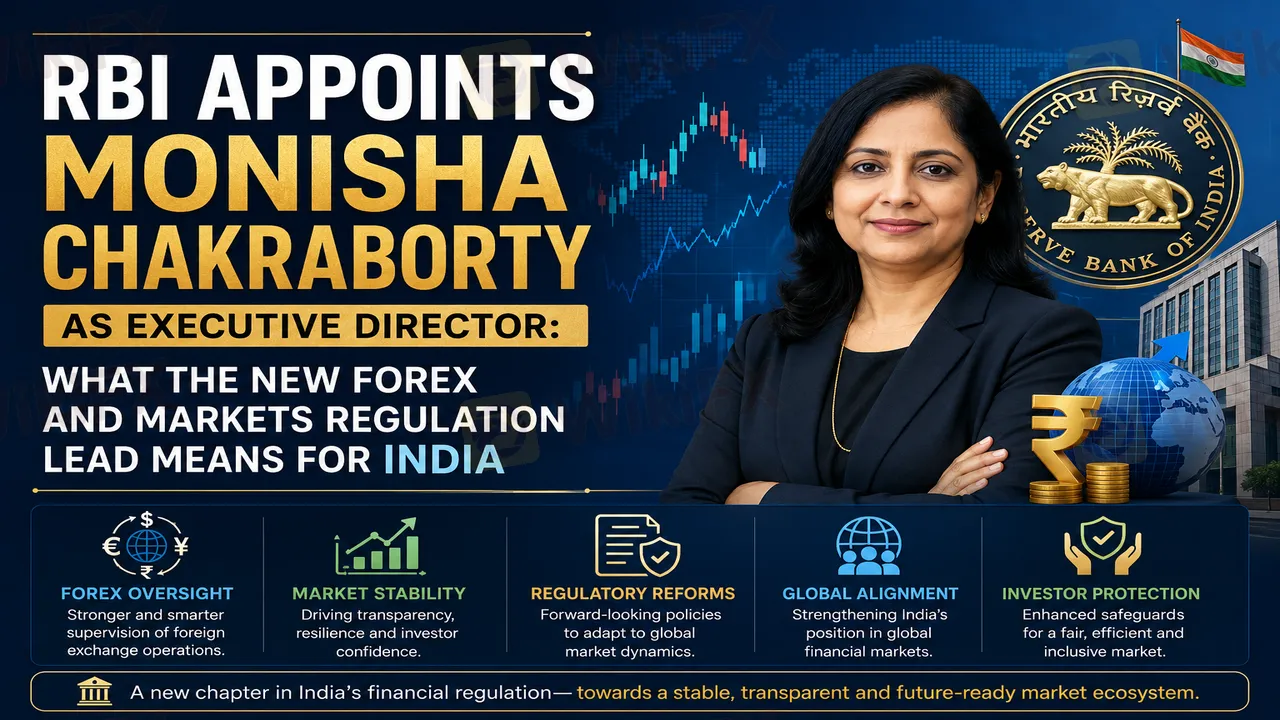
A new name now sits at the top of India's Foreign Exchange Department and Financial Markets Regulation Department. The Reserve Bank of India has appointed Monisha Chakraborty as Executive Director with effect from 3 August 2026, putting a career central banker with three decades of experience in charge of two of the most closely watched desks in Mumbai.
 Contents
Key Points
What is announced: The Reserve Bank of India appointed Monisha Chakraborty as Executive Director with effect from 3 August 2026. She previously served as Chief General Manager-in-Charge in the Department of Supervision and is a career central banker with over thirty years of experience.
Why this matters: As Executive Director, Chakraborty will oversee the Foreign Exchange Department and the Financial Markets Regulation Department. The two desks together shape how FEMA-authorised persons operate, how FX Department guidance is issued, and how RBI-authorised electronic trading platforms are reviewed.
What LiveLaw and ET CFO Reported
LiveLaw reported the appointment on 4 August 2026, citing the central bank's statement. Prior to her elevation, Chakraborty was serving as Chief General Manager-in-Charge in the Department of Supervision. She has over three decades of experience at the Reserve Bank of India, with stints in Supervision, Foreign Exchange, and Government and Bank Accounts.
ET CFO confirmed the same date and responsibilities. The publication noted that Chakraborty has also served as Banking Ombudsman and was part of a technical committee constituted to review the format of the Reserve Bank of India's Balance Sheet and Profit and Loss Account. Her academic background includes degrees in Economics and Business Economics.
Together, the two reports establish the appointment, the effective date, and the portfolios. They also describe the breadth of experience that RBI considered relevant for the role. The next paragraphs put the appointment in the wider context of forex regulation India.
Why the Foreign Exchange Department Portfolio Matters
The Foreign Exchange Department issues the rules and circulars that govern FEMA-authorised persons. It administers the Foreign Exchange Management Act, 1999, the Liberalised Remittance Scheme, and the framework that limits which Indian entities can remit money abroad for capital, current, or personal account transactions.
RBI's central board structure sets the strategic direction for the Foreign Exchange Department. The Executive Director who heads the department signs off on the operating circulars that authorised persons, banks, and forex market participants must implement. That makes the post one of the most operationally consequential in the central bank.
The Foreign Exchange Department is also the desk that handles cases of unauthorised forex trading, including platforms that promise guaranteed returns or that route margin through unrelated bank accounts. Investors who want to verify an online forex trading platform check FEMA authorisation through this department's framework.
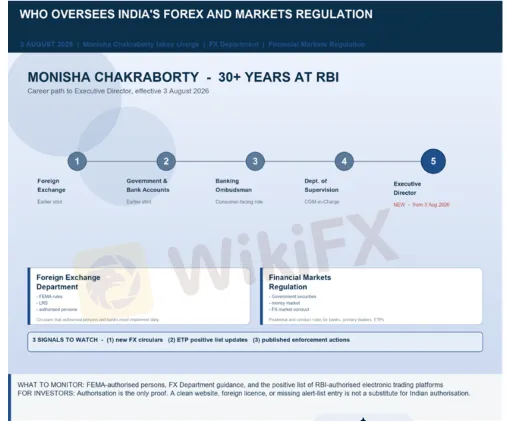
Figure 1. The Executive Director role is not ceremonial. It signs the operating circulars that banks, authorised persons, and electronic trading platforms must follow.
Why the Financial Markets Regulation Portfolio Matters
RBI's department directory lists Financial Markets Regulation alongside Foreign Exchange as a separate desk. The Financial Markets Regulation Department oversees the conduct of regulated entities in the government securities market, the money market, and the foreign exchange market. It is the desk that signs off on prudential and conduct standards.
RBI press releases on policy and supervision are published through the central bank's official channel. The Executive Director's signature on those releases indicates that the operational line for any new rule, circular, or clarification flows through the relevant department head, then through the ED, and then through the larger Central Board of Directors.
The combined scope of the two desks means that the new Executive Director will shape the operating manual for authorised persons, the conditions for RBI-authorised electronic trading platforms, and the conduct standards that banks apply to FX and money-market activity. The change is therefore administrative in title but operational in consequence.
Career profile of Monisha Chakraborty
The Consumer Education and Protection Department runs the Banking Ombudsman scheme. Having served there gives the new Executive Director direct exposure to the complaint patterns that unauthorised forex and unauthorised electronic trading platforms generate. That experience is likely to inform the way FX Department and Financial Markets Regulation Department guidance is written for the year ahead.
What the New Executive Director Portfolio Covers
The combined scope of the two portfolios means the new Executive Director signs the operating circulars that authorised persons and electronic trading platforms must follow. The change is therefore administrative in title but operational in consequence for forex regulation India.
What Authorised Persons and Banks Should Monitor
RBI's FEMA notifications page is the authoritative source for the Foreign Exchange Department's circulars. Authorised persons, including banks and full-fledged money changers, should treat the first three months of the new ED's tenure as a transition window. The operating circulars may be reissued or clarified as the new leadership signs off on outstanding items.
RBI maintains a separate positive list of RBI-authorised electronic trading platforms. Investors and authorised persons should continue to rely on that list and on FEMA authorisation when verifying an online forex trading platform. The new ED's appointment does not change the authorisation framework; it changes who administers it.
The FEMA text itself is published by the Government of India. The Foreign Exchange Department implements the Act, and the Financial Markets Regulation Department enforces the conduct standards. Together, the two desks form the bridge between FEMA and the practical operating rules that authorised persons follow each day.
Three Signals to Watch in the Next Quarter
1. New or Reissued FX Department Circulars
The first reissued circulars under the new Executive Director will signal which areas of forex regulation India the central bank intends to revisit. Authorised persons should track FEMA notifications and adjust internal procedures accordingly.
2. Updates to the RBI-authorised ETP Positive List
The Financial Markets Regulation Department oversees the conduct of electronic trading platforms. Investors and brokers should monitor changes to the positive list of RBI-authorised electronic trading platforms and the Alert List of unauthorised entities.
3. Published Enforcement Actions
Enforcement actions against unauthorised forex platforms and against authorised persons that breach FEMA are typically published as RBI press releases. The cadence and the substance of those releases will indicate the priorities of the new ED.
Final View: Personnel Change, Framework Unchanged
A new Executive Director is significant for the central bank, but the framework that protects investors does not move with the appointment. FEMA authorisation, the RBI-authorised ETP list, the Alert List, and the conduct standards in the Financial Markets Regulation Department remain the basis for any verification. The new ED signs the circulars; the framework is what the circulars implement.
Editorial note: This article reports the announced appointment and the publicly available career background. It does not forecast specific circulars or enforcement actions. Investors should rely on RBI's own notifications, the FEMA text, and the positive list of RBI-authorised electronic trading platforms when verifying any platform or counterparty.
Download the WikiFX app for the latest forex updates.

Knowledge pays at WikiFX.Every time you share a WikiFX article, you'll receive 50 Reward Points. Grow your rewards with every share and unlock exclusive gifts in the WikiFX Points Mall. Start earning today!
Follow the steps below to get started.

Interesting Articles for You
Review 2026: Users Report Disturbing Withdrawal Issues - Is the Broker Still Reliable?
Review 2026: Why Some Users Report Withdrawal Problems - and What the Evidence Shows
Fortex White Label in 2026: Can Your Liquidity Stack Scale Without Losing Control?
A Fortex white label can look like the fastest route to a modern branded trading environment, but a fast launch is not the same as a controlled launch. This 2026 broker guide explains what the Fortex platform is, where a Fortex broker solution can sit in a wider operating stack, and how to evaluate the difference between a white label, a server licence, and a connected CRM or Client Office setup. It also unpacks Fortex cost beyond the monthly headline, including implementation, integration, support, data, governance, migration, and exit assumptions. Use the practical questions, workflow tests, comparison table, and launch checklist to assess a Fortex provider without mistaking a feature demo for evidence that your brokerage can run the service safely at scale.
News
2026-08-03
Further Reading
White Label in 2026: Can Your Liquidity Stack Scale Without Losing Control?