

Broker Globale Piattaforma di Verifica Regolamentare
WikiFX
Italiano
简体中文
繁體中文
English
Pусский
日本語
ภาษาไทย
Tiếng Việt
Bahasa Indonesia
Español
हिन्दी
Filippiiniläinen
Français
Deutsch
Português
Türkçe
한국어
العربية
اردو



Hormuz and Red Sea Face Dual Chokepoint Risks as Middle East Conflict Escalates


Sommario:[Chart 1: Strait of Hormuz Map]As disruptions to energy shipments through the Strait of Hormuz continue and Yemens Houthi forces threaten to block the Bab el-Mandeb Strait, global oil prices surged ab
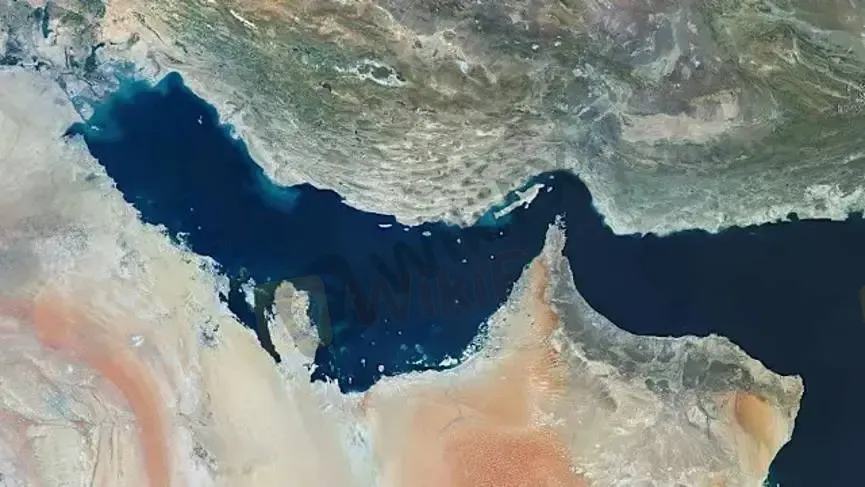
[Chart 1: Strait of Hormuz Map]
As disruptions to energy shipments through the Strait of Hormuz continue and Yemen's Houthi forces threaten to block the Bab el-Mandeb Strait, global oil prices surged above $100 per barrel during Thursday's trading session, marking the first break above this key psychological level in two months.
Brent crude is on track for its largest monthly gain since the regional conflict intensified in March, while Murban crude futures have climbed as high as $108 per barrel. Market sentiment has shifted rapidly from concerns about global oversupply to fears of supply disruptions, with geopolitical risk premiums returning across the energy complex.
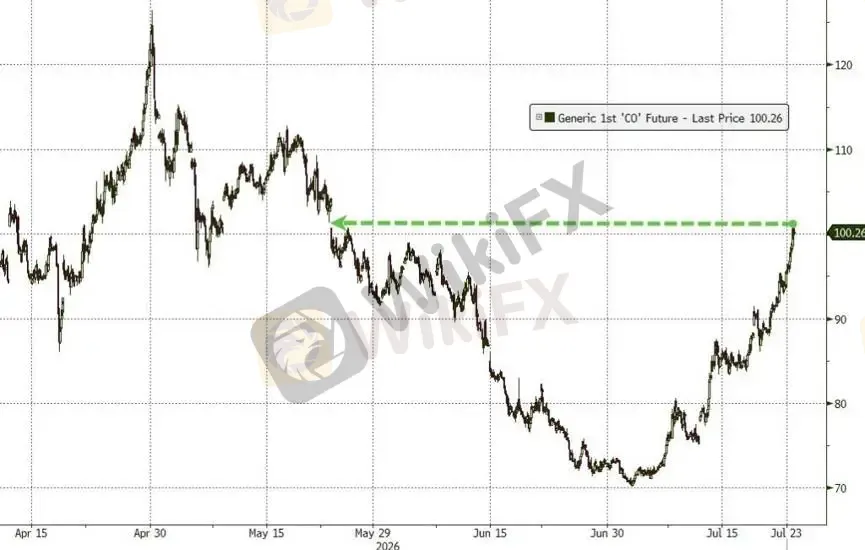
[Chart 2: U.S. Crude Oil Price Chart]
The latest rally was triggered after the Houthis announced attacks on Saudi oil tankers and threatened to block the Bab el-Mandeb Strait, effectively turning the Red Sea into another major flashpoint for global shipping.
Meanwhile, President Donald Trump said he is “close” to deciding whether to launch an unprecedented large-scale military strike against Iran. Adding further pressure, continued Ukrainian drone attacks on Russian refining facilities have further tightened global refined fuel supplies.
Kelly Xu, Commodities Strategist at Oxford Economics, noted that heightened uncertainty surrounding the conflict has fueled sharp two-way price volatility. Jorge León, Head of Geopolitical Analysis at Rystad Energy, warned that if a ceasefire fails to materialize while the Strait of Hormuz remains disrupted and Houthi threats intensify, oil prices could experience another significant upward surge.
According to sources within Iran's Islamic Revolutionary Guard Corps (IRGC) Navy, commercial transit through the Strait of Hormuz is currently suspended pending additional security reviews, with normal operations expected only after regional tensions ease. However, the U.S. Central Command (CENTCOM) maintains that the waterway remains open to lawful maritime traffic, even though actual commercial shipping volumes have declined sharply.
Iran has also indicated that it may introduce new regulations governing passage through the Strait, including the possibility of transit fees, setting the stage for further conflict with U.S. policy.
In response to mounting risks, the United Arab Emirates is moving forward with plans to develop a new port on its eastern coast to diversify export routes away from the Strait of Hormuz. At the same time, the global shipping industry faces mounting pressure from sanctions compliance requirements and increasing vessel seizure risks.
Oil's move above $100 per barrel highlights the growing impact of Middle East tensions on global energy markets. The combination of risks surrounding both the Strait of Hormuz and the Bab el-Mandeb Strait, together with actions by Iran and the Houthis and the possibility of broader U.S. military intervention, has significantly increased supply disruption premiums.
Risks to refined petroleum products and natural gas may ultimately prove even greater than those facing crude oil itself, while Europe's window to replenish energy inventories ahead of winter continues to narrow.
In the near term, higher oil prices are likely to intensify global inflationary pressures, complicating the Federal Reserve's policy outlook and weighing on economic growth expectations. Over the longer term, energy markets are unlikely to stabilize until regional tensions ease and maritime traffic through these critical shipping lanes fully resumes.
For now, geopolitical conflict remains one of the most significant sources of uncertainty for the global economy and financial markets. Investors should closely monitor developments and remain vigilant as the situation continues to evolve.
Risk Disclaimer
The opinions, analysis, research, prices, and other information presented above are provided solely for general market commentary and do not represent the official views or position of this platform. All readers are solely responsible for their own investment decisions and assume all associated risks. Please trade with caution.
Disclaimer:
Le opinioni di questo articolo rappresentano solo le opinioni personali dell’autore e non costituiscono consulenza in materia di investimenti per questa piattaforma. La piattaforma non garantisce l’accuratezza, la completezza e la tempestività delle informazioni relative all’articolo, né è responsabile delle perdite causate dall’uso o dall’affidamento delle informazioni relative all’articolo.
WikiFX Trader
vantage
Sotto supervisione
pepperstone
Reclami dei clienti
Exness
Sotto supervisione
FXTM
Sotto supervisione
EBC FINANCIAL GROUP
Sotto supervisione
FOREX.com
Supervisione del paese
vantage
Sotto supervisione
pepperstone
Reclami dei clienti
Exness
Sotto supervisione
FXTM
Sotto supervisione
EBC FINANCIAL GROUP
Sotto supervisione
FOREX.com
Supervisione del paese
