WikiFX Officially Launches the “Every Review Counts” Broker Review Initiative!
In forex trading, what truly determines risk is often not market volatility itself, but whether information is authentic, transparent, and fully visible.
简体中文
繁體中文
English
Pусский
日本語
ภาษาไทย
Tiếng Việt
Bahasa Indonesia
Español
हिन्दी
Filippiiniläinen
Français
Deutsch
Português
Türkçe
한국어
العربية
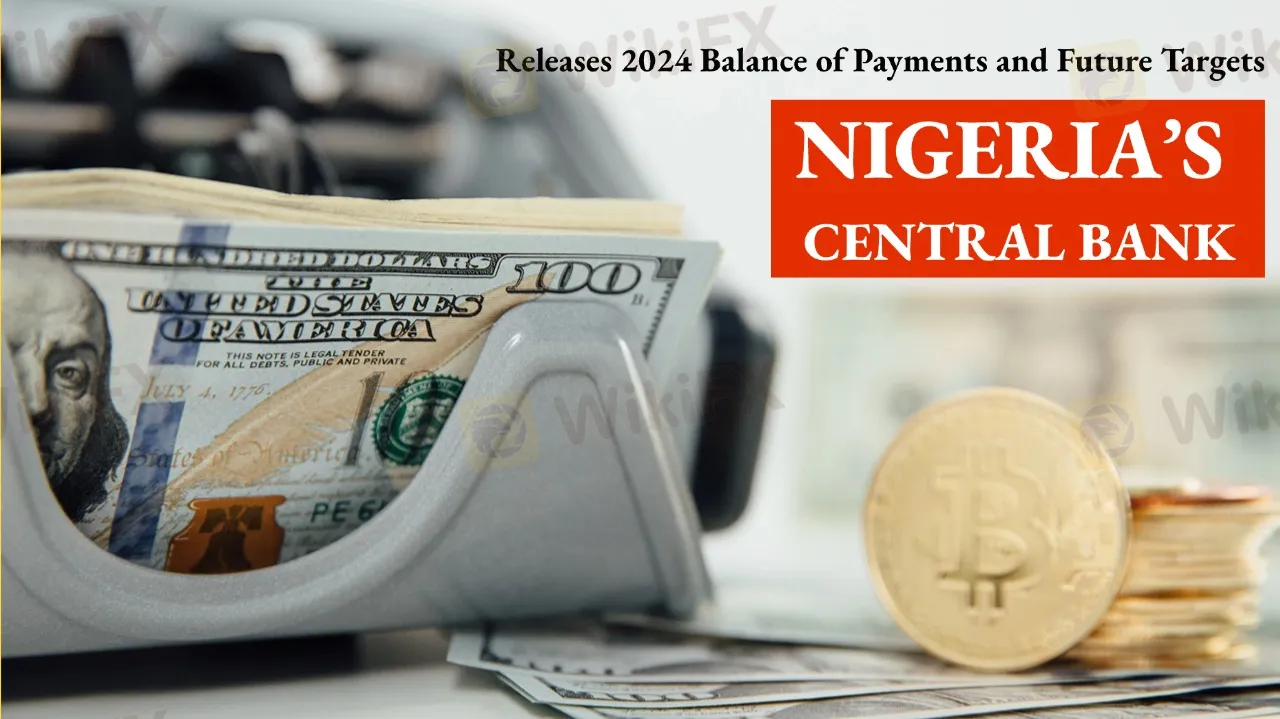
Abstract:In 2024, Nigeria flipped its balance of payments from deficit to surplus—marking a rebound in confidence and policy effectiveness.

In 2024, Nigeria's Central Bank reported a balance of payments surplus of $6.83 billion, reversing deficits from the previous two years. This positive shift was driven by a combination of stronger exports, lower imports, and improved investor flows.
Both gas and non-oil exports recorded double-digit growth, while imports of oil and non-oil products declined, shrinking the trade gap. At the same time, remittance inflows and securities investments surged, helping to boost external earnings. Foreign reserves also rose by $6 billion to $40.19 billion, reinforcing the countrys financial buffer.
Building on this momentum, the Central Bank is targeting greater access to financial services. The goal for 2024 is to reach a 95% financial inclusion rate while reducing financial exclusion to 25%.
Although there‘s still ground to cover, progress has been steady over the past few years, reflecting gains in infrastructure and outreach. Increasing the population’s engagement with formal financial systems remains a top priority moving forward.
Despite the encouraging overall performance, certain vulnerabilities remain—particularly the sharp drop in foreign direct investment, highlighting global investors cautious stance. Around one-third of Nigerian adults still lack access to formal financial services.
Striking a balance between currency stability and economic expansion will be key. As global uncertainties persist, sustaining Nigerias recovery will require consistent policy execution and adaptability.

Disclaimer:
The views in this article only represent the author's personal views, and do not constitute investment advice on this platform. This platform does not guarantee the accuracy, completeness and timeliness of the information in the article, and will not be liable for any loss caused by the use of or reliance on the information in the article.

In forex trading, what truly determines risk is often not market volatility itself, but whether information is authentic, transparent, and fully visible.

Share Your Expertise on What’s Moving the Market.

Strong retail participation in 2026 is driving forex and CFD trading volumes higher, as investors expand beyond equities into macro-sensitive markets.

In a forex market where fundamental and technical factors impact the currency pair prices, volatility is expected. If the price volatility acts against the speculation made by traders, it can result in significant losses for them. This is where a stop-loss order comes to their rescue. It is one of the vital investment risk management tools that traders can use to limit potential downside as markets get volatile. Read on as we share its definition and several strategies you should consider to remain calm even as markets go crazy.