


Why Most Retail Traders Fail: What the Numbers Reveal
Retail trading data shows why so many traders quit or lose money, from short survival periods and high costs to overconfidence, emotional decisions, and poor risk control.
Original

简体中文
繁體中文
English
Pусский
日本語
ภาษาไทย
Tiếng Việt
Bahasa Indonesia
Español
हिन्दी
Filippiiniläinen
Français
Deutsch
Português
Türkçe
한국어
العربية
اردو




Abstract:The market rewards patience and logic, not emotional reactions to headlines. Understand the rate hike game, and you turn a crisis into an opportunity.
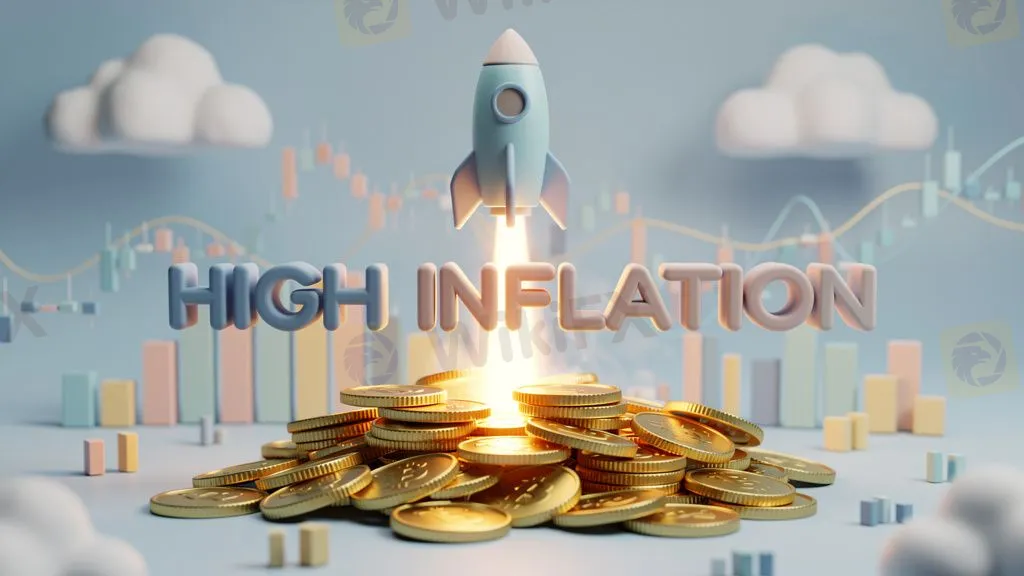
Lets be real for a second. When you go to the gas station or the grocery store and see prices climbing higher every week, it feels like your money is burning a hole in your pocket. As a consumer, inflation is the enemy. It eats your savings and erodes your purchasing power.
Naturally, most new traders take that real-world feeling and apply it to the charts. They assume, “Inflation is high, so this currency must be weak. I should sell.”
If thats your logic, you are probably losing money.
The relationship between inflation and currency value is one of the biggest traps for novice investors. It isn't a straight line; it‘s a game of expectations, central banks, and aggressive volatility. Today, we’re going to fix that mindset so you don't get run over by the next CPI release.
Here is the twist that catches everyone off guard: High inflation acts like rocket fuel for a currency.
Wait, what? How can a currency get stronger if its buying power is getting weaker?
It comes down to one thing: Interest Rates.
When inflation gets too hot, Central Banks (like the Fed in the US or the ECB in Europe) panic. They have to cool things down. Their only real weapon is raising interest rates.
Think of interest rates like a magnet. The higher the interest rate on a currency, the stronger the magnet becomes. Global investors, hedge funds, and banks want a return on their cash. If the US Dollar pays 5% interest and the Japanese Yen pays 0%, where is the big money going? It flows into the Dollar.
So, when an inflation report comes in “hot” (higher than expected), the market immediately thinks: “Okay, the Central Bank is going to raise rates to fight this.”
That anticipation triggers a buying frenzy. The currency spikes up, not down.
This is where you need to be careful. The market is never black and white. While the general rule is Inflation -> Rate Hikes -> Stronger Currency, there is a breaking point.
If inflation gets out of control—we are talking double digits, economic collapse, or “hyperinflation”—then the rule flips. At that point, the economy is so damaged that no amount of interest rate hikes can save it. Investors flee, and the currency crashes.
But for the major pairs we trade (EUR/USD, GBP/USD, USD/JPY), we are usually playing the interest rate game. The currency with the stubborn, high inflation usually ends up with the highest interest rates, making it the bully in the schoolyard.
Trading news is dangerous because the market moves based on what it expected to happen, not just what actually happened.
Trading during high-impact inflation news (like US CPI data) is like trying to catch a knife. The candles move fast—sometimes 50 or 100 pips in seconds.
This brings me to a critical point about your broker. When volatility hits, shady brokers love to play games. They might widen their “spreads” (the difference between buy and sell price) to ridiculous levels, hitting your stop-loss even if the price didn't technically reach it. Or, you might face “slippage,” where you try to buy at 1.0500 but get filled at 1.0520.
You need to know who you are dealing with. I always tell my students to verify their broker's regulatory status on WikiFX. You can see if they have valid licenses or a history of complaints regarding slippage and withdrawals. If you are trading high-volatility inflation events with an unregulated broker, you are basically asking to have your account wiped out. Check WikiFX first, ensure your broker is clean, and then focus on the charts.
Stop looking at inflation as purely “bad news.” Start looking at it through the eyes of a Central Banker.
The market rewards patience and logic, not emotional reactions to headlines. Understand the rate hike game, and you turn a crisis into an opportunity.
Disclaimer: This article is for educational purposes only and does not constitute financial advice. Trading forex and CFDs involves significant risk and is not suitable for all investors. You could lose more than your initial deposit.
Disclaimer:
The views in this article only represent the author's personal views, and do not constitute investment advice on this platform. This platform does not guarantee the accuracy, completeness and timeliness of the information in the article, and will not be liable for any loss caused by the use of or reliance on the information in the article.
Retail trading data shows why so many traders quit or lose money, from short survival periods and high costs to overconfidence, emotional decisions, and poor risk control.
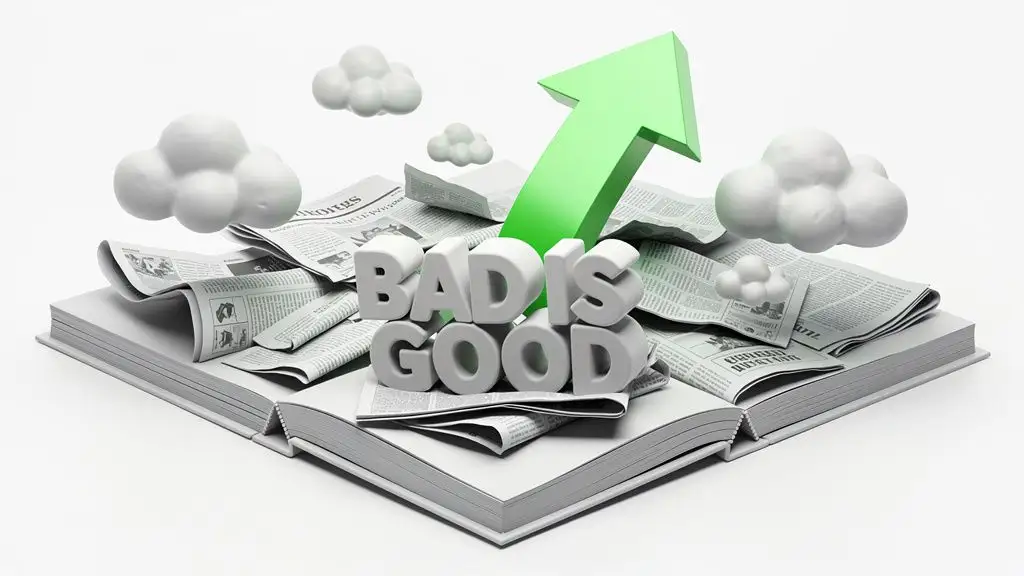
The market is a game of psychology, not just economics. Trade what the chart is doing, not what the news anchor is saying.
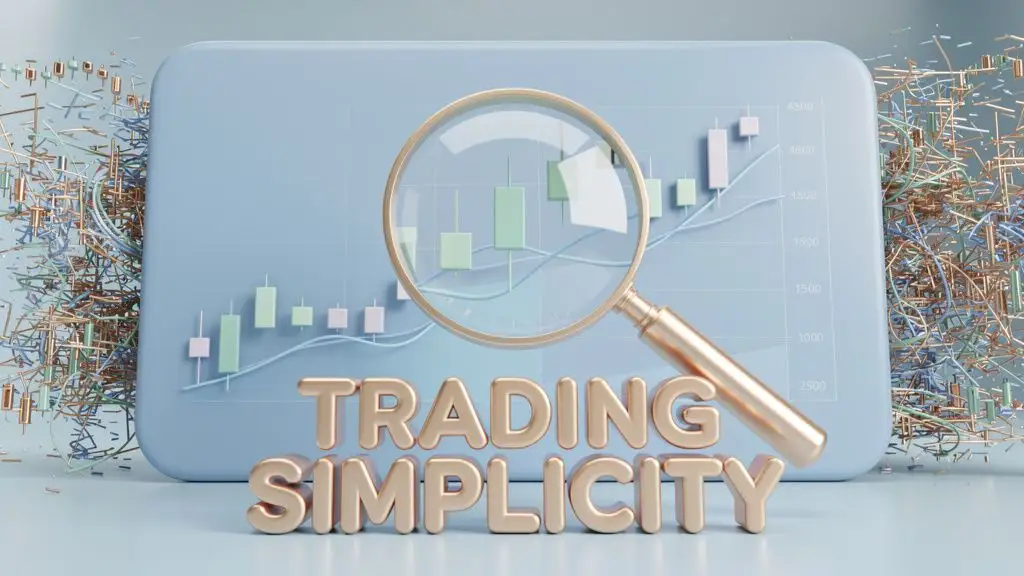
I see it every single day. A student sends me a screenshot of their trading setup, asking why they got stopped out.
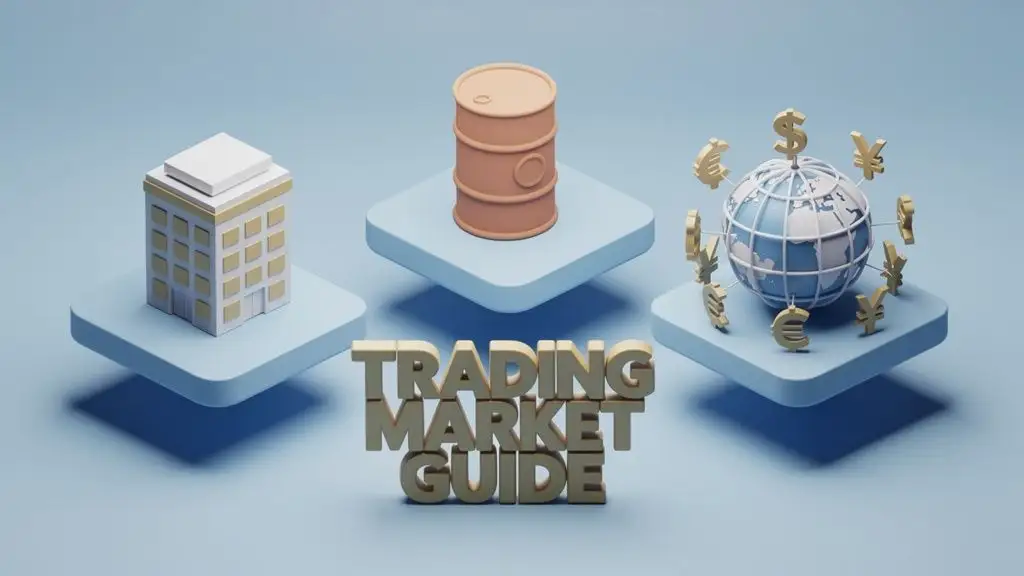
You’ve probably seen the screenshots on social media. Someone turns $500 into $5,000 in a single morning, and suddenly everyone wants to be a trader. But here is the cold reality: trading isn’t a single game. It’s a collection of different battlefields, and if you bring a knife to a gunfight, you’re going to lose your capital.
WikiFXWikiFXWikiFXWikiFXWikiFXWikiFXWikiFXWikiFXWikiFXWikiFX