


Why Most Retail Traders Fail: What the Numbers Reveal
Retail trading data shows why so many traders quit or lose money, from short survival periods and high costs to overconfidence, emotional decisions, and poor risk control.
Original

简体中文
繁體中文
English
Pусский
日本語
ภาษาไทย
Tiếng Việt
Bahasa Indonesia
Español
हिन्दी
Filippiiniläinen
Français
Deutsch
Português
Türkçe
한국어
العربية
اردو




Abstract:The market is a mirror. If you are disorganized, emotional, and impatient, the charts will reflect that right back at your bank balance. Get your mind right, and the strategy will follow.

It usually starts the same way.
Youre scrolling through a trading forum or a Telegram group. You see a trader—maybe a “guru,” maybe just a guy named Dave—post a screenshot of a massive 200% gain on Gold (XAU/USD).
He shares his strategy freely. “I bought at support, used the 50 MA, and held.” It sounds simple. It looks foolproof.
So, you do the exact same thing. You pull up the same chart, use the same indicator, and enter the trade. Two hours later, you are stopped out with a loss. Meanwhile, Dave posts another screenshot: “Great profits today, team!”
You feel cheated. You feel like the market is rigged against you personally.
Here is the hard truth Ive learned after years of mentoring traders: The strategy is only 10% of the equation.
If you give a Ferrari to a professional racer and the same Ferrari to a teenager who just got their license, do you expect the same lap time around the track? Of course not. It isn‘t the car’s fault.
Here is why you are crashing the car.
Novice traders obsess over the entry price. You think the magic happens the moment you click “Buy.”
But when a seasoned trader says, “Im buying here,” they usually have a completely different context than you do. They might be entering based on a weekly trend, while you are panicking over a 5-minute candle.
The Timing Gap:
By the time you see someone elses trade, confirm it on your screen, hesitate for a few seconds, and finally click the button, the market has moved. You are chasing the price.
That simplified strategy you copied? It relies on precision. If you enter 10 pips late because of FOMO (Fear Of Missing Out), your risk-to-reward ratio is already broken. You are buying the top, while the pro is already looking to take partial profits.
This is the uncomfortable variable nobody likes to talk about.
You might execute the strategy perfectly, but your environment is toxic. Ive seen countless students trade setups correctly, only to be taken out by a sudden, unnatural spike in the spread.
Some unregulated brokers operate what we call a “B-Book” model. Essentially, when you lose, they win. They have zero incentive for you to succeed. They might widen spreads during news events to trigger your stop loss before the price moves in your favor.
The Fix:
Don't trade blind. You need to know who is holding your money. Before you commit to a platform, verify their regulatory status and look for user complaints about slippage or withdrawal issues. Use WikiFX to check the brokers score. If the broker has a low rating or a history of regulatory warnings, it doesn't matter how good your strategy is—the house will always win. Treat WikiFX as your due diligence department; check it before you deposit.
This is the number one reason accounts get blown up.
Lets go back to Dave, the guy making money.
You have a $1,000 account. To make the trade “worth it,” you risk $200 (20%).
Because your position size is massive relative to your balance, you trade with fear.
The market reverses and shoots up. Dave makes profit. You realized a loss because you couldn't handle the heat. Same trade, different psychology, different result.
When you copy a strategy, you don't have the conviction of the person who created it.
The creator of the strategy has seen it fail 100 times and succeed 200 times. They know the stats. They can sit through a drawdown because they trust the long-term edge.
You don't have that data. You only have hope.
When the trade goes slightly red, your brain goes into survival mode. You start micro-managing. You move your stop loss to “break even” too early to protect yourself, and the market wicks you out before rallying.
The “Set and Forget” approach:
Most profitable traders place their trade, set their targets, and walk away. They go to the gym. They play with their kids. They let the market work.
Novice traders stare at the 1-minute chart, heart pounding, analyzing every tick. This emotional exhaustion leads to bad decisions. You close winners too early (leaving money on the table) and hold losers too long (hoping they come back).
Stop looking for a “Holy Grail” strategy. It doesn't exist.
The market is a mirror. If you are disorganized, emotional, and impatient, the charts will reflect that right back at your bank balance. Get your mind right, and the strategy will follow.
Disclaimer: This article is for educational purposes only and does not constitute financial advice. Trading involves significant risk, and you could lose your entire investment. Always do your own research.
Disclaimer:
The views in this article only represent the author's personal views, and do not constitute investment advice on this platform. This platform does not guarantee the accuracy, completeness and timeliness of the information in the article, and will not be liable for any loss caused by the use of or reliance on the information in the article.
Retail trading data shows why so many traders quit or lose money, from short survival periods and high costs to overconfidence, emotional decisions, and poor risk control.

The market is a game of psychology, not just economics. Trade what the chart is doing, not what the news anchor is saying.
I see it every single day. A student sends me a screenshot of their trading setup, asking why they got stopped out.
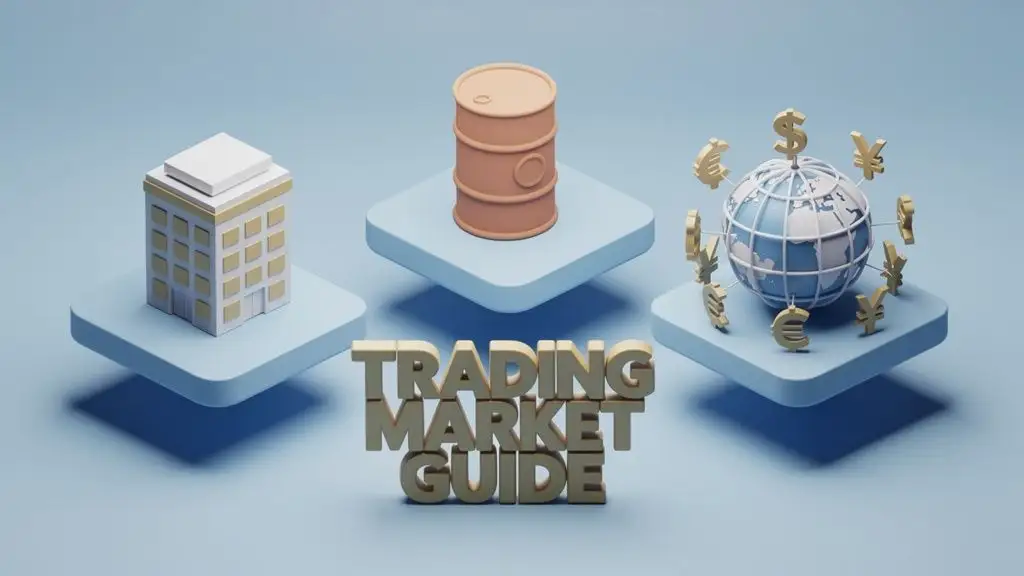
You’ve probably seen the screenshots on social media. Someone turns $500 into $5,000 in a single morning, and suddenly everyone wants to be a trader. But here is the cold reality: trading isn’t a single game. It’s a collection of different battlefields, and if you bring a knife to a gunfight, you’re going to lose your capital.
WikiFXWikiFXWikiFXWikiFXWikiFXWikiFXWikiFXWikiFXWikiFXWikiFX