


Why Most Retail Traders Fail: What the Numbers Reveal
Retail trading data shows why so many traders quit or lose money, from short survival periods and high costs to overconfidence, emotional decisions, and poor risk control.
Original

简体中文
繁體中文
English
Pусский
日本語
ภาษาไทย
Tiếng Việt
Bahasa Indonesia
Español
हिन्दी
Filippiiniläinen
Français
Deutsch
Português
Türkçe
한국어
العربية
اردو




Abstract:Fundamental analysis for short-term trading isn't about being an economist. It's about risk management. It’s knowing when the waves are going to get big so you don’t get capsized.
You are staring at the 5-minute chart on your phone. The technical indicators align perfectly. The RSI is oversold, the price is bouncing off a major support level, and the candlesticks are showing rejection. You hit “Buy.”
Ten seconds later, a massive red candle smashes through your support, hits your stop loss, and drags you into negative slippage. You just lost 2% of your account in a blink.
What happened? The chart looked perfect.
What happened is that the US CPI data was released, or maybe a central bank governor started speaking. You were analyzing lines on a screen, but the market was reacting to real-world money flow.
There is a huge misconception among retail traders that fundamental analysis is only for the “big picture” investors who hold positions for months. That is a lie that will cost you money. Let me break down why fundamental analysis is not just suitable for short-term trading—it is critical for your survival.
When people hear “fundamentals,” they think of GDP growth, long-term employment rates, and 10-year bond yields. If you are scalping the EUR/USD on a 15-minute timeframe, you are right—you don't care about the GDP forecast for 2026.
However, short-term trading lives and dies on volatility. And what creates the biggest, fastest bursts of volatility? News events.
For a day trader, fundamental analysis isn't about predicting the economy; it is about knowing when the storm is coming.
If you don't know these are happening, you are walking blindfolded across a highway. You might make it across, but eventually, you will get hit.
Short-term trading with fundamentals requires a different mindset. You aren't analyzing the value of the Euro; you are analyzing the sentiment of the market at that exact moment.
Here is how the pros use fundamentals for quick trades:
Trading around fundamental news events is high-risk, high-reward. The market moves fast—sometimes too fast for your platform to handle. This is where the difference between a legitimate broker and a “B-book” shop becomes obvious.
During high-impact news, liquidity dries up. Spreads can widen from 1 pip to 20 pips in a second.
If you are trading these events, you need a broker with deep liquidity and honest execution. Scammers love volatility because they can blame “market conditions” for slipping your order by 50 pips or freezing your platform so you can't close a losing trade.
Before you try to scalp the next NFP release, do yourself a favor: check your broker's regulatory status and reputation on the WikiFX app. You need to see if other traders have complained about severe slippage or frozen servers during news events. If your broker has a low score on WikiFX, do not trade news with them. You will be fighting the market and your broker at the same time.
You don't need a degree in economics to protect your capital. You just need a routine.
Start every morning by looking at an economic calendar. Identify the “High Impact” news. Note the times.
If you are a pure technical trader, simply step aside during those times. Let the news drop, let the amateurs get stopped out, and wait for the dust to settle. Once the market chooses a direction, then you use your technicals to join the move.
Fundamental analysis for short-term trading isn't about being an economist. It's about risk management. It‘s knowing when the waves are going to get big so you don’t get capsized.
Ignore the news, and the market will punish you. Respect the news, and you can ride the volatility to profit.
Disclaimer: Forex trading involves significant risk to your invested capital. The information provided here is for educational purposes only and does not constitute financial advice. Always trade with money you can afford to lose.
Disclaimer:
The views in this article only represent the author's personal views, and do not constitute investment advice on this platform. This platform does not guarantee the accuracy, completeness and timeliness of the information in the article, and will not be liable for any loss caused by the use of or reliance on the information in the article.
Retail trading data shows why so many traders quit or lose money, from short survival periods and high costs to overconfidence, emotional decisions, and poor risk control.
The market is a game of psychology, not just economics. Trade what the chart is doing, not what the news anchor is saying.
I see it every single day. A student sends me a screenshot of their trading setup, asking why they got stopped out.
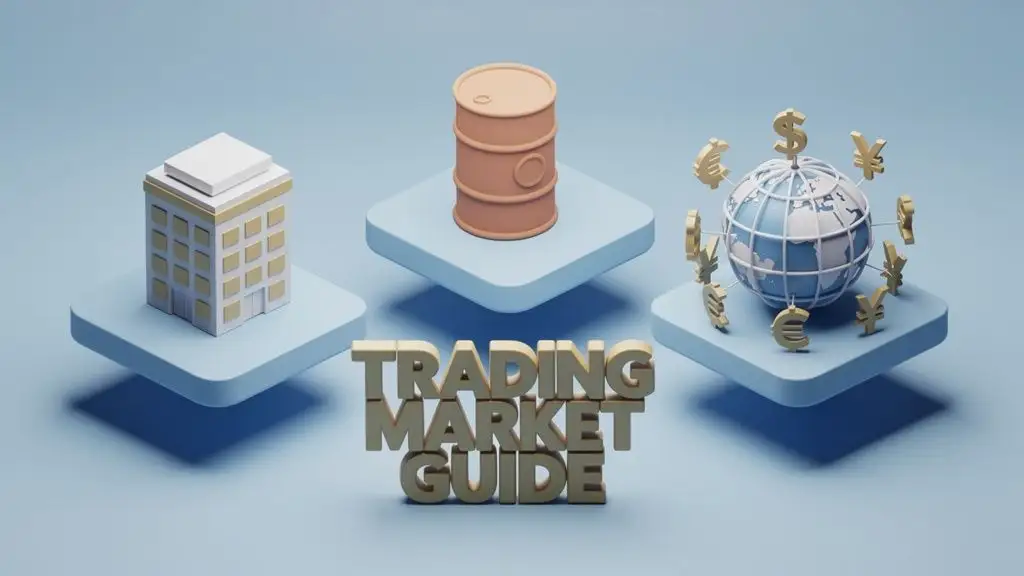
You’ve probably seen the screenshots on social media. Someone turns $500 into $5,000 in a single morning, and suddenly everyone wants to be a trader. But here is the cold reality: trading isn’t a single game. It’s a collection of different battlefields, and if you bring a knife to a gunfight, you’re going to lose your capital.
WikiFXWikiFXWikiFXWikiFXWikiFXWikiFXWikiFXWikiFXWikiFXWikiFX