

Global Broker Regulation Inquiry App
About WikiFX
English
简体中文
繁體中文
English
Pусский
日本語
ภาษาไทย
Tiếng Việt
Bahasa Indonesia
Español
हिन्दी
Filippiiniläinen
Français
Deutsch
Português
Türkçe
한국어
العربية
اردو


Indonesian Nickel Supply Cut Sends LME Prices Soaring

WikiFX
|


Abstract:Indonesia, the world's top nickel producer, has signaled its intention to cut production in 2026 to support prices, triggering a significant rally in nickel futures. This move could dramatically reshape the global nickel market's supply-demand balance.
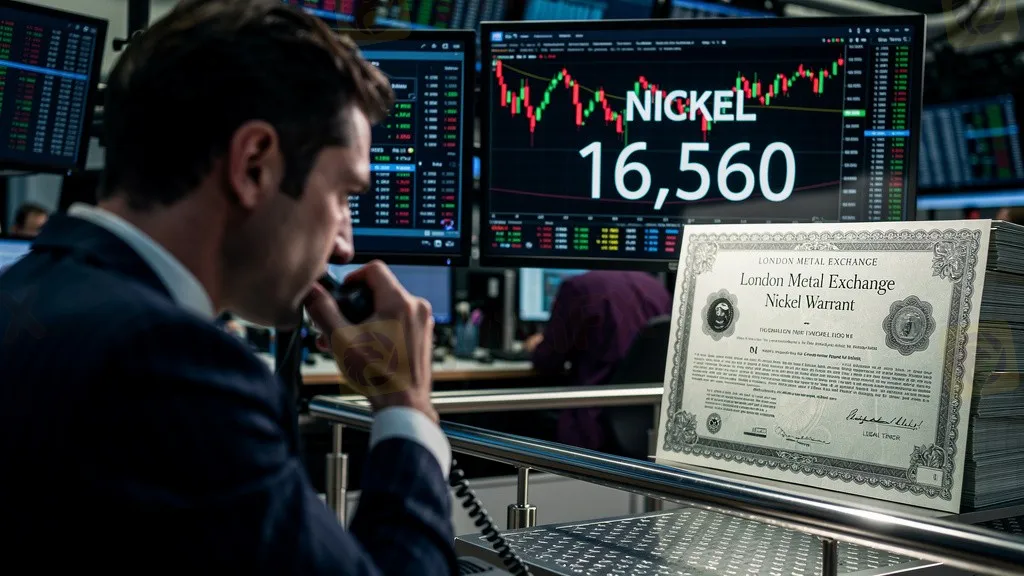
Indonesia, the world's top nickel producer, has signaled its intention to cut production in 2026 to support prices, triggering a significant rally in nickel futures. This move could dramatically reshape the global nickel market's supply-demand balance.
Minister's Statement and Market Reaction
Indonesia's Minister of Energy and Mineral Resources, Bahlil Lahadalia, announced the planned production cuts, aimed at better aligning supply with demand. Given Indonesia's control of nearly 70% of global nickel output, this decision directly impacts the commodity's pricing power. Previously, Indonesia's surging production had been a major factor weighing on global nickel prices.
In response to the news, nickel prices on the London Metal Exchange (LME) surged as much as 4.7%, hitting $16,560 per tonne. This continues an upward trend alongside other metals since mid-December.
Analysis: Addressing the Supply Glut
Analysts believe that a successful implementation of Indonesia's production cuts would significantly alleviate current high inventory pressures, providing a solid floor for the struggling nickel price. LME-tracked warehouse inventories have risen rapidly due to oversupply, consistently suppressing price rebounds.
Challenges in the Nickel Market
Indonesia's policy shift comes as the global nickel market faces severe challenges. While there's long-term structural demand from the stainless steel and electric vehicle battery industries, this year's market performance has remained disappointing.
One key issue is that demand growth hasn't met expectations. The rise of alternative battery chemistries like lithium iron phosphate (LFP) has reduced the demand intensity for nickel, particularly in the battery sector, keeping prices low for most of 2024.
Indonesia's Policy Tools and Market Focus
The Indonesian government possesses powerful tools to control supply, mainly by tightening the issuance of mining quotas (known as RKAB). This suggests Indonesia has both the will and the administrative ability to intervene directly in market supply. This supply-side adjustment is seen as a direct response to the current market imbalance.
Looking ahead, Indonesia's production policy is a core variable determining nickel price trends next year. Given its dominance in global supply, any policy change will have a systemic impact on global supply chains. Market participants are closely monitoring details of mining quota issuances to assess the actual execution and scale of the planned production cuts.
Disclaimer:
The views in this article only represent the author's personal views, and do not constitute investment advice on this platform. This platform does not guarantee the accuracy, completeness and timeliness of the information in the article, and will not be liable for any loss caused by the use of or reliance on the information in the article.
WikiFX Broker
Latest News
SaracenMarkets Review 2026: Regulation, High Leverage, and Mixed User Signals
WikiFXIG Review: Withdrawal Complaints Hit a Globally Known Broker
WikiFXTreasury Buybacks Alter Dollar Liquidity Flows
WikiFXCapital Street FX Review: Is Your Deposit Safe?
WikiFXInteractive Brokers Review 2026: Regulation, Fines and Withdrawal Risks
WikiFXFBS Review: Broker Regulation Warnings and Withdrawal Complaints Traders Cannot Ignore
WikiFXSygnum Global FCA Warning: Check sygnumglobal.co Before You Send Money
WikiFXFOMO in Forex: Why a Missed Move Feels Like a Real Loss
WikiFXHe Worked Hard and Saved Money Frugally, Now A Scammer Took It All
WikiFXWhy FOMO Hurts Your Trading Decisions (And How to Spot it)
WikiFX