

Global Broker Regulation Inquiry App
About WikiFX
English
简体中文
繁體中文
English
Pусский
日本語
ภาษาไทย
Tiếng Việt
Bahasa Indonesia
Español
हिन्दी
Filippiiniläinen
Français
Deutsch
Português
Türkçe
한국어
العربية
اردو
Geopolitical Tensions Mount: US Seizes Russian-Flagged Tanker in Sanctions Crackdown
Abstract:Geopolitical friction escalates as US forces seize two tankers linked to Venezuelan oil, including one flying the Russian flag, prompting accusations of 'piracy' from Moscow.
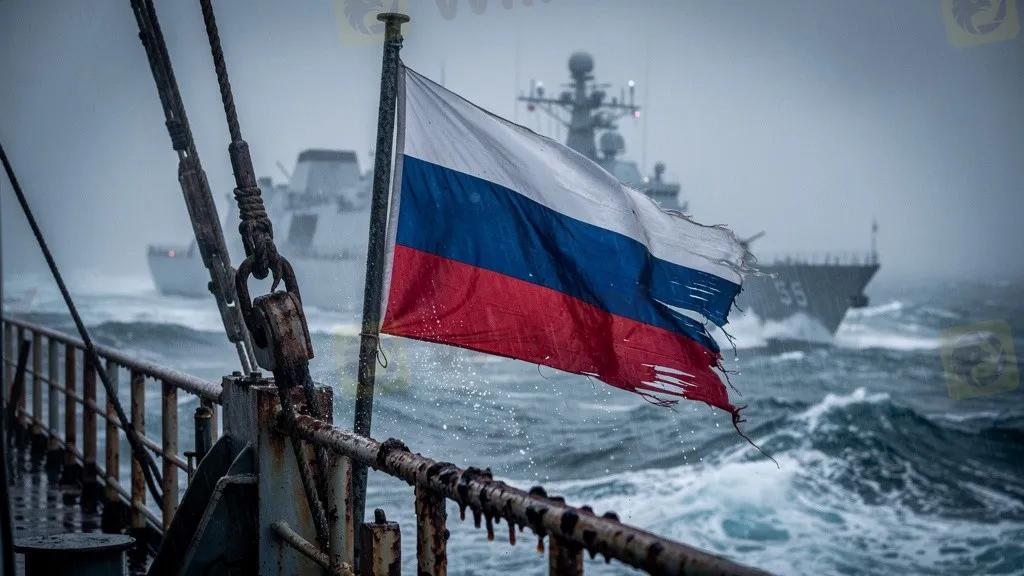
Washington/Moscow – Tensions in the energy markets escalated on Wednesday after the US military executed back-to-back seizures of oil tankers linked to Venezuela, one of which was flying a Russian flag. The move underscores the Pentagon's aggressive enforcement of sanctions regimes, triggering a fierce diplomatic rebuke from the Kremlin.
Military Interventions in the Atlantic
In a coordinated effort spanning two combatant commands, US forces intercepted the vessels in international waters.
Defense officials confirmed the operations were conducted alongside the Department of Justice and Homeland Security, reinforcing the administration's stance that the blockade on unauthorized Venezuelan oil remains “fully effective.”
Moscow's Sharp Rebuke
Russia immediately condemned the seizure of the Bella 1 (also identified as the Mariner). Russian officials demand the immediate release of Russian citizens onboard and have characterized the US naval operation as an act of “piracy” violates the United Nations Convention on the Law of the Sea.
“This is a flagrant violation of international law,” stated Andrey Klishas, a senior Russian senator, accusing Washington of enforcing its own rules over global maritime standards. The diplomatic fallout adds a premium of geopolitical risk to Crude Oil (WTI/Brent) markets, which remain sensitive to supply chain disruptions involving major energy producers.
Market Implications
While the specific vessels do not represent a significant volume of immediate supply, the incident signals a hardened US stance against the “shadow fleet” logistics network used by sanctioned nations. This enforcement tightening suggests that despite talks of stabilizing Venezuela, the US intends to maintain strict control over who moves the oil, potentially squeezing illicit supply flows.
Disclaimer:
The views in this article only represent the author's personal views, and do not constitute investment advice on this platform. This platform does not guarantee the accuracy, completeness and timeliness of the information in the article, and will not be liable for any loss caused by the use of or reliance on the information in the article.
WikiFX Broker
Latest News
InstaForex Review 2026: Is This Forex Broker Safe?
 WikiFX
SandStoneFX Review 2026: Is This Forex Broker Safe?
WikiFXFake Investment Scam and Human Trafficking Network Busted with 109 Arrested
WikiFXFacing a 20% Floating Loss: How Beginners Can Prevent a Margin Call
WikiFXForex Traders With Day Jobs: The PERKESO Deadline You Cannot Ignore
WikiFXLOYAL PRIMUS Review: FSCA-Regulated Broker Faces Mounting Withdrawal Complaints
WikiFXGFS Review 2026: Withdrawal Complaints, MT5 Access, and Regulation Gaps
WikiFXHow Trading Costs Quietly Drain Your Account: Spreads, Swaps, and Pip Values
WikiFXWhy MetaTrader 4 Remains the Top Choice for Testing Automated Trading Robots
WikiFXDollar Firms as Geopolitics Pressures Asian Currencies
WikiFX