

Global Broker Regulation Inquiry App
About WikiFX
English
简体中文
繁體中文
English
Pусский
日本語
ภาษาไทย
Tiếng Việt
Bahasa Indonesia
Español
हिन्दी
Filippiiniläinen
Français
Deutsch
Português
Türkçe
한국어
العربية
اردو


Is BCEL Legit or a Scam? 3 Key Questions Answered (2026)

WikiFX
|


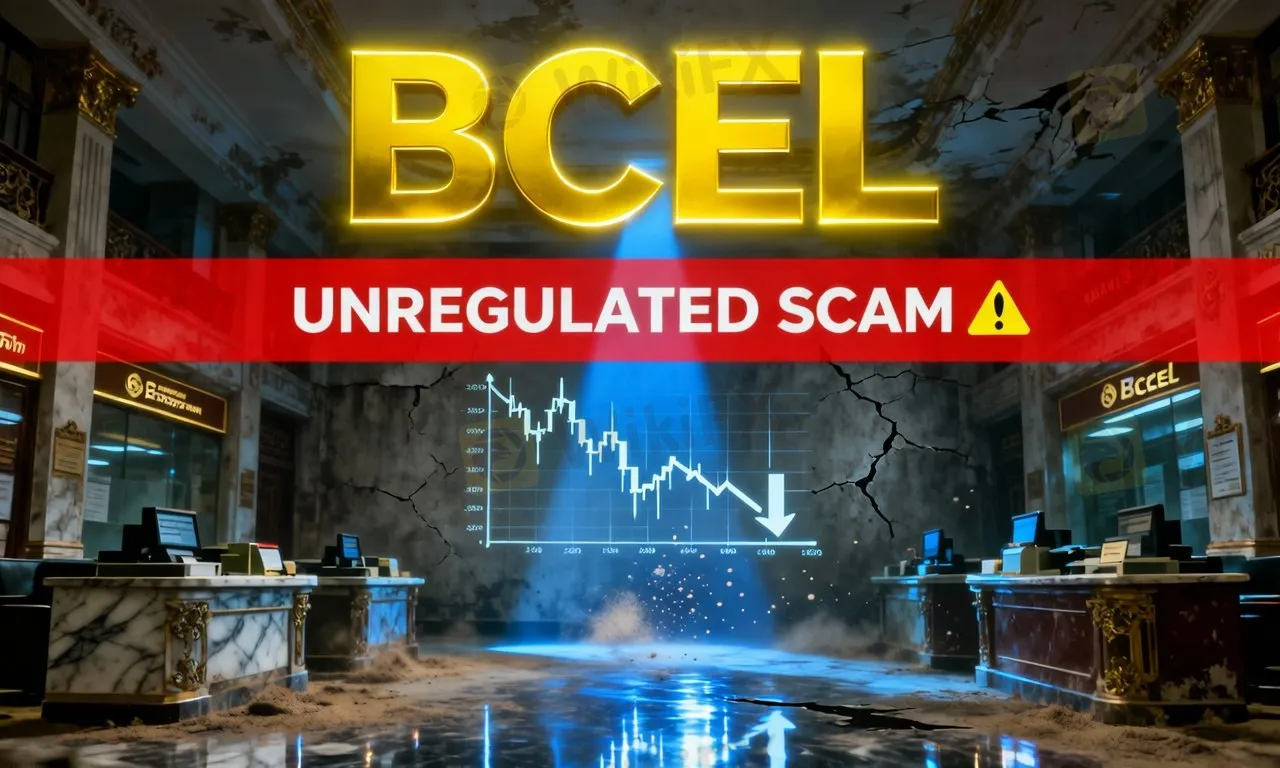
Abstract:BCEL currently holds a concerning WikiFX score of **1.53/10**, classified as high-risk due to a total lack of valid regulatory oversight. Although there are no current user complaints, its unregulated status means your funds have no legal protection or insurance.
1. Executive Summary: The Risks You Need to Know
If you are looking for a quick answer: BCEL typically exhibits the warning signs of an unsafe broker, currently holding a very low WikiFX Score of 1.53 out of 10.
Finding the right broker feels a lot like choosing a bank for your life savings—you want to know that if the worst happens, your money is safe. You might have stumbled upon BCEL (Banque pour le Commerce Exterieur Lao Public) through an online ad or a recommendation. While the name is associated with a major bank in Laos, the specific trading entity tracked here was established in 2020 and operates without the safety nets that professional traders rely on.
In this guide, we will look past the marketing and analyze the raw data regarding their regulation, safety protocols, and reputation to help you decide if this broker deserves your trust.
Question 1: Is my money safe with BCEL?
When we ask “Is it safe?”, what we are legally asking is “Who is watching them?”
According to the latest database check, BCEL does not hold a license from any recognized financial regulator.
The Verdict: High Risk
Because there is no valid regulation found, the broker receives a “No License” status. This is the primary reason for its low 1.53 score.
Why does this matter? (The “License” Explained)
Imagine playing a football game without a referee. If one team decides to break the rules, pick up the ball, and walk off the field, who stops them? In the financial world, the Regulator is that referee.
1. Segregated Accounts: Regulated brokers (like those under the FCA in the UK or ASIC in Australia) are legally required to keep your money in a separate bank account from their own business funds. If they go bankrupt, your money is still there, sitting in a vault with your name on it.
2. The “Co-mingling” Danger: With an unregulated broker like BCEL, there is no law preventing them from mixing your deposit with their own operating cash. They could use your money to pay their electricity bill, their staff salaries, or their own debts.
3. Counterparty Risk: This is the technical term for “if they fail, you fail.” Without a government-backed compensation scheme, if an unregulated broker closes its doors tomorrow, your capital is likely lost forever. There is no legal avenue to claim it back because they do not answer to a financial authority.
Question 2: Why aren't there any complaints?
You might be looking for horror stories and finding none. Our database currently shows 0 complaints or exposure cases for BCEL.
Does this mean they are safe?
No. In fact, this can be a “false positive” that tricks many new investors.
The “Silence Trap” Explained
A lack of complaints often feels reassuring, but in the trading world, it usually points to one of two things:
1. Low Trading Volume: The broker might be relatively new (established in 2020) or have very few active international clients. If nobody is trading, nobody is complaining.
2. The Lagging Indicator: Complaints are what we call a “lagging indicator.” They only appear after something has gone wrong. A financial license, on the other hand, is a “leading indicator”—it tells you about the safety structure before you deposit.
Think of it like a car without seatbelts. Just because the car hasn't crashed yet (0 complaints) doesn't mean it is safe to drive (unregulated). You don't want to be the first passenger to discover the brakes don't work.
Final Verdict: Should I open an account?
Based on the data, we strongly advise caution.
While BCEL has “online customer support” and an established year of 2020, the lack of a regulatory license outweighs these minor positives. In the world of online trading, a score of 1.53 is a red flag that suggests the platform does not meet the minimum safety standards required to protect retail traders.
The Bottom Line: There are thousands of brokers who hold valid licenses from top-tier regulators like the FCA, ASIC, or NFA. These brokers offer you legal protection, segregated funds, and transparency. There is little reason to take an unnecessary risk with an unregulated entity.
Status changes daily. A broker can obtain a license or lose one overnight. Before you make any transfer, open the WikiFX App to search for “BCEL” and verify their real-time certificate status.
Disclaimer:
The views in this article only represent the author's personal views, and do not constitute investment advice on this platform. This platform does not guarantee the accuracy, completeness and timeliness of the information in the article, and will not be liable for any loss caused by the use of or reliance on the information in the article.
WikiFX Broker
Latest News
BXB Review – Zero Regulation, Dead Website: What Traders Need to Know
WikiFXSingapore tightens monetary policy in surprise move as rising oil prices rekindle inflation risk
WikiFXSPREDIX MARKETS Review: What Traders Should Know Before Depositing
WikiFXHFM Review: No Regulatory Licences and a 1.83 Score , Is Your Deposit Safe?
WikiFXIs Your Withdrawal Plan Killing Your Compounding Gains?
WikiFXHFMARKETS TRADE Review: Zero Regulation and a Central Bank Warning
WikiFXWinvest Review: What Traders Should Know Before Depositing
WikiFXTrade Nation Review: What Traders Should Know Before Depositing
WikiFXFXPesa Review: Is Your Deposit Safe?
WikiFXXM Royal Scam Drains RM119,599 From Malaysian Housewife
WikiFX